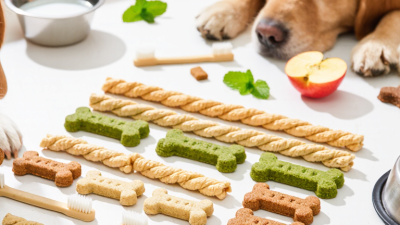
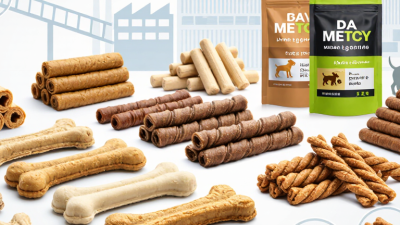
Best Dog Dental Chews Manufacturer in China
Choosing the best dog dental chews manufacturer in China takes more than comparing prices or attractive packaging. Buyers should look closely at ingredient specifications, production controls, and the evidence behind product claims. A reliable supplier can explain how each chew is made, how ingredients are checked, and what quality records are available. Ask for clear product details, sample batches, and relevant test documentation before making a large commitment.
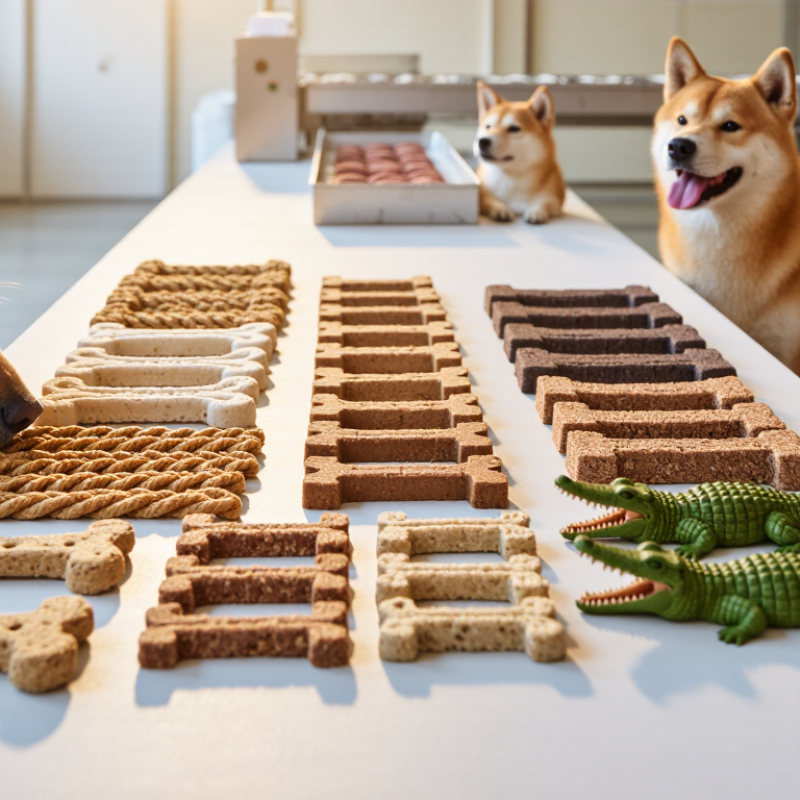
Dog Dental chews vary in texture, size, shape, and intended use. These details matter: a chew that is too hard or poorly sized may not suit every dog. Manufacturers should be able to discuss product design, ingredient options, and how they help customers choose suitable formats. They should also communicate openly about customization, lead times, packaging, and any limits in their capabilities. Clear answers are a good sign. Vague promises are not.
A careful review should include factory communication, consistency between samples and production orders, and a process for handling quality concerns. Where possible, buyers can request an audit or third-party testing relevant to their product requirements. No supplier is perfect, and a polished brochure cannot prove dependable performance. That is worth remembering. Compare documented processes, not just sales claims, and confirm details in writing. The right manufacturing partner is not simply the cheapest option; it is one that can explain its work, provide verifiable information, and respond thoughtfully when something needs improvement.
What Dog Dental Chews Are and How They Work
Dog dental chews are edible treats made to encourage sustained chewing. Their shape and texture can rub against tooth surfaces as a dog bites, helping loosen some soft food debris and plaque. The chewing action also increases saliva, which helps wash the mouth naturally. Small details matter. Chews are not a substitute for brushing, and they cannot remove hardened tartar already attached to teeth.
Tips: Choose a chew sized for your dog, and supervise while it is being eaten. If your dog gulps treats or has dental pain, ask a veterinarian before offering one. Stop using a chew if it causes coughing, vomiting, or mouth irritation.
For a manufacturer in China, product consistency matters: texture, size, and hardness should suit the intended dog size. A chew that is too soft may be finished quickly; one that is too hard may risk tooth damage. There is no perfect option for every dog, and some dogs simply refuse dental chews. Check the ingredient list and feeding directions, then watch how your dog handles the first chew.
How Dental Chews Support Canine Oral Health
How Dental Chews Work
Dental chews can help manage plaque between professional cleanings, but they work through contact, not magic. As a dog chews, the treat’s texture rubs against accessible tooth surfaces and may disrupt some soft plaque. The effect depends on chewing time, chew shape, and whether the dog actually works the treat rather than swallowing it quickly. Small details matter.
Banfield’s 2016 State of Pet Health report found dental disease in 76% of dogs aged three years and older. That figure is sobering, though it does not show that chews alone prevent disease. The Veterinary Oral Health Council evaluates products for evidence of reduced plaque or tartar; its accepted-products list is a useful screening tool, not a guarantee of complete oral care. Not a cure.
Choose a chew sized for the dog, supervise chewing, and ask a veterinarian about hard or unusually large treats. Some dogs gulp; others lose interest after a few bites. Daily toothbrushing remains a more direct way to clean tooth surfaces, while chews can complement—not replace—regular oral checks. A chew may leave the back teeth untouched, and that is easy to miss. If gums bleed, breath changes sharply, or chewing becomes one-sided, arrange a veterinary examination rather than simply changing treats.
Ingredients and Production Methods Used by Chinese Manufacturers
Chinese manufacturers typically build dog dental chews around proteins, starches, and plant fibers. Poultry or fish ingredients add flavor, while starches help bind the shape during extrusion or baking. Fiber can support a firmer, textured bite. Small details matter. Moisture, chew density, and cooling time affect texture and shelf stability. Manufacturers can check batch dimensions, moisture levels, and microbial safety. Still, a smooth production record does not prove every dog will tolerate every chew.
The American Animal Hospital Association’s 2019 Dental Care Guidelines estimate that
more than 80% of dogs show signs of periodontal disease by age three.
That figure makes dental care important, but a chew is not a substitute for brushing or veterinary checks. The Veterinary Oral Health Council evaluates products using controlled trials that measure plaque or tartar reduction. Manufacturers seeking credible evidence should document their ingredient specifications and test finished products, not rely on texture alone. A chew that is too hard may not suit every dog. That deserves more attention. Dog size, chewing style, and supervision all matter when choosing one.
Quality, Safety, and Certification Standards to Compare
When comparing a dog dental chew manufacturer in China, ask how it controls ingredients from arrival to finished product. Reliable records should connect each raw-material lot to a production batch. Request recent test reports, not only a general quality statement. Check whether tests cover relevant risks, such as microbial contamination, heavy metals, and ingredient identity. Details matter. A clear report names the sample, test method, date, and laboratory.
Safety also depends on the chew itself. Ask how size, shape, and hardness are checked, since a chew that is too small or brittle may create avoidable risks. Request specifications and samples from more than one production batch. Observe consistency in color, dimensions, odor, and texture. It is worth asking how complaints and product recalls are documented. The answer may be imperfect; what matters is whether the manufacturer can explain gaps and corrective steps.
Review certifications carefully. Confirm the issuing body, validity dates, covered facility, and whether the certificate applies to the actual product and process. A certificate alone proves little. Ask about routine hygiene checks, staff training, supplier approval, and independent audits. Requirements vary by destination market, so verify the standards relevant to your sales region. A neat document folder helps, but it cannot replace transparent records and repeatable production controls.
Best Dog Dental Chews Manufacturer in China: Quality, Safety & Certification Standards
A useful benchmark when comparing dental-chew suppliers is proven dental efficacy—not certification claims alone.
The Veterinary Oral Health Council (VOHC) uses a 15% reduction threshold for plaque or tartar accumulation in its product evaluation protocol. VOHC acceptance relates to efficacy, not manufacturing-site safety certification. Separately verify applicable regulatory compliance, facility food-safety controls, batch testing, and supporting documentation. Check the current VOHC protocol and accepted-products list before relying on a claim.
Source: Veterinary Oral Health Council
How to Choose a Dog Dental Chews Manufacturer in China
Best Dog Dental Chews Manufacturer in China
How to Choose a Dog Dental Chews Manufacturer in China
Choosing a manufacturer takes more than comparing quotations. Ask how its chews are designed for different dog sizes, and check whether the shape and texture suit the intended use. Request ingredient specifications, production controls, and test reports for each product. A reliable supplier should explain how it tracks batches and handles quality concerns. Ask for recent samples, too. A neat brochure is not proof; I have sometimes mistaken polished product photos for useful evidence.
Tips: Compare sample size, firmness, smell, and how easily a chew crumbles. Ask about minimum order quantities, lead times, packaging options, and export documentation. Get answers in writing. Small details matter.
Before placing a large order, request a trial run and agree on clear acceptance criteria, such as dimensions, packaging condition, and batch records. If possible, arrange an independent factory assessment or review available inspection records. Be cautious if answers about ingredients or testing remain vague. No chew suits every dog, and dental treats do not replace brushing or veterinary advice. Supervision is sensible, especially when testing a new size or texture. One drawback: thorough checks take time, and a low initial price can make that easy to forget.