China Top 10 Dog Chew Manufacturers

China is an important sourcing base for pet products, including Dog Chews for different sizes, chewing habits, and retail markets. Yet a supplier’s location alone says little about product consistency. Buyers need clear specifications, dependable communication, and evidence that production controls match their requirements.

This guide introduces ten Chinese manufacturers to help importers, distributors, and brand owners begin a structured comparison. It considers practical factors such as chew formats, ingredient disclosure, private-label options, packaging, quality procedures, and export support. These details matter when a sample looks appealing but repeat orders must remain consistent. Ask for current product specifications, batch traceability information, and relevant quality documents. Check whether the company is the actual manufacturer or a trading intermediary. Small differences matter.

No ranking can replace direct due diligence. Company capabilities change, and public descriptions may not reflect every production line or destination market. Request samples, clarify minimum order quantities, and confirm testing expectations before making commercial decisions. If possible, compare responses from several suppliers using the same checklist. A polished brochure is not proof. Even a careful review has limits, especially when factory conditions cannot be independently observed. Use this overview as a starting point, then verify claims through direct discussion and appropriate third-party checks. That extra step can prevent avoidable surprises and help identify a partner suited to your product, customers, and quality expectations.
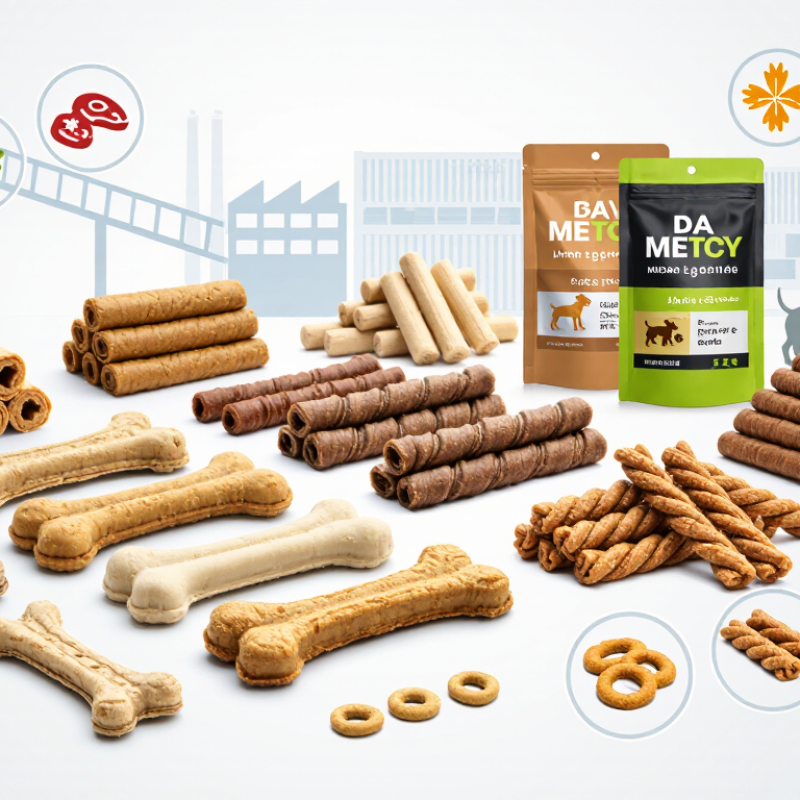
China Top 10 Dog Chew Manufacturers

Overview of China’s Dog Chew Manufacturing Industry

China’s dog chew manufacturing industry serves domestic demand and overseas buyers. Its production base includes ingredient preparation, forming, drying, baking, and packing. Some factories focus on single-ingredient chews, while others make shaped or dental-style products. The mix is broad.

Raw materials influence texture, odor, and shelf stability. In a plant, teams may check incoming ingredients, product dimensions, drying time, and moisture levels. A chew that feels crisp at packing can soften during storage if sealing or moisture control is weak. Small details matter. Buyers should review process records, sample consistency, and batch traceability rather than relying on appearance alone.

Manufacturers differ in equipment, technical depth, and ability to handle changing specifications. Larger facilities may offer dedicated lines and export documentation, while smaller workshops can be more flexible. Neither size guarantees quality. That is easy to overlook. Clear specifications help: target weight, thickness, ingredient limits, packaging barrier, and acceptable variation. Independent testing and a factory audit can add useful evidence, though they cannot remove every supply-chain uncertainty. The industry is capable, but not perfectly uniform; buyers still need to ask detailed questions.
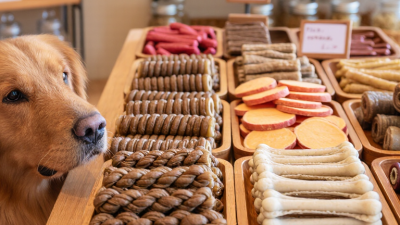

Criteria for Selecting the Top 10 Manufacturers

Criteria for Selecting the Top 10 Manufacturers

A credible manufacturer should show how each chew moves from raw material to finished product. Ask for ingredient traceability, batch records, and routine testing for pathogens, heavy metals, and moisture levels. These details matter: uneven drying can leave a chew brittle in one spot and soft in another. Review facility audits, quality-control procedures, and how quickly the company investigates complaints. A polished catalogue is not proof of consistent production.

Market growth is useful context, not a quality score. The American Pet Products Association’s 2024 State of the Industry report put U.S. pet-industry spending at about

$152 billion in 2024, up from $147 billion in 2023.

That broad figure does not measure dog chews alone, but it signals a large, competitive market. Compare manufacturers on chew-size consistency, clear feeding guidance, packaging that protects freshness, and the ability to meet realistic order volumes. Request samples from different production batches. Look closely at edges, odor, and texture. Small details matter.

Good records help. So does honest communication about limits, such as ingredient substitutions or seasonal supply changes. I would not rank a supplier on low pricing alone; that shortcut can hide weak testing or unstable lead times. Still, published claims need independent verification. A clear answer is encouraging, but it is not evidence by itself.

Profiles of 10 Leading Chinese Dog Chew Manufacturers

Profiles of 10 leading Chinese dog chew manufacturers should compare capabilities, not just catalogues. The global pet treats market was valued at about US$10.5 billion in 2023, with a projected 7.6% compound annual growth rate from 2024 to 2030, according to Grand View Research. That growth makes sourcing more competitive, but it does not prove that every supplier offers consistent quality.

A practical profile should identify each manufacturer’s chew formats, production methods, ingredient controls, and inspection procedures. Look for clear details on raw-material sourcing, drying or forming processes, batch records, and checks for size, texture, and moisture. Ask how the factory handles samples and product changes. Small details matter: a chew that varies in thickness may dry unevenly. That matters.

Ten profiles should also distinguish factory experience from sales claims. Export history and documented quality systems are useful evidence, but buyers should verify certificates and request recent test records directly. A polished showroom tells you little about daily production. I would also compare how clearly each supplier explains limitations; that part is easy to overlook. Reports describe market demand, not the reliability of individual factories, so careful, product-specific checks remain essential.

Production Processes, Ingredients, and Quality Standards

Dog chews begin with ingredient control, not the drying room. Manufacturers should check supplier records, incoming material condition, and batch identity before processing. Depending on the recipe, production may include trimming, washing, forming, heat treatment, and controlled drying. Each stage affects texture, moisture, and shelf stability. Small changes matter. A dense chew can dry unevenly, so operators need defined time and temperature limits, not visual judgment alone.

Quality checks should follow the product’s risks. Useful records include moisture or water-activity readings, microbial test results, foreign-material checks, and lot traceability. The FDA’s 2010 survey found Salmonella in 15 of 196 raw pet-food samples and Listeria monocytogenes in 32. These figures concern raw pet food, not dog chews, but they show why validated hygiene controls matter. Buyers can request test methods, sampling frequency, corrective-action records, and independent audit evidence. A certificate alone is not enough. Standards also vary by destination market, so manufacturers should document which requirements their process follows. In practice, paperwork can look complete while a drying step remains poorly controlled; that deserves a closer question.

China Top 10 Dog Chew Manufacturers - Production Processes, Ingredients, and Quality Standards

Industry overview of ten common dog-chew product formats and their manufacturing considerations. This is not a verified ranking of companies; no company or brand data is included. Ingredient formulations and control limits vary by product and facility.

No. Dog Chew Product Type Typical Production Process Common Ingredient Categories Relevant Quality and Safety Controls
1 Dehydrated meat strips Meat is trimmed, cut, and dehydrated or dried under controlled conditions, then cooled and packed. Chicken, duck, beef, or other suitable animal-protein cuts; optional permitted processing aids or flavor ingredients. Raw-material identification and supplier checks; validated drying process; moisture or water-activity monitoring; finished-product microbiological and foreign-material controls.
2 Formed meat jerky pieces Ground or chopped meat is mixed, shaped into strips or pieces, heat-treated or dried, and packed after cooling. Meat or poultry, with optional starches, glycerol, or other ingredients appropriate to the declared recipe and market rules. Recipe and allergen control; time-and-temperature validation; moisture consistency; label-to-formula verification; lot coding and traceability.
3 Meat-based sticks or bites A comminuted mixture is blended, formed or extruded, cooked or dried, cut to size, and packaged. Animal-protein ingredients and, depending on the product, binders such as starch or other permitted functional ingredients. Mixing and forming checks; validated cooking or drying; control of piece dimensions and texture; microbiological testing under a documented sampling plan.
4 Collagen chews Collagen-rich raw material is cleaned and prepared, formed or rolled, dried, and inspected before packing. Collagen derived from animal connective tissue; some products include coatings or flavor ingredients. Species and source documentation; cleaning and process-hygiene controls; drying consistency; checks for foreign material, breakage, and package integrity.
5 Rawhide chews Hide is cleaned and mechanically prepared, then cut, rolled or shaped, dried, and packed. Processing details vary by product. Processed animal hide; some formulations use coatings or other declared ingredients. Raw-material traceability; control of cleaning and processing chemicals; shape and size checks; hygiene monitoring; clear ingredient and feeding instructions.
6 Dried fish-skin rolls Fish skin is cleaned, trimmed, rolled or cut, dried, cooled, and packed in moisture-protective packaging. Fish skin from identified fish species; any added ingredients should be declared as required. Species and supplier records; freshness and temperature controls before processing; drying and moisture checks; fish-allergen labeling where applicable.
7 Dried tendons and other animal-part chews Suitable animal parts are sorted, cleaned, trimmed, dried or heat-treated, and inspected before packing. Animal tendons or other specified animal tissues, with ingredients varying by product. Species and tissue identification; incoming-material inspection; validated heat or drying step; checks for residual contamination, physical defects, and packaging condition.
8 Starch-and-protein molded chews Dry and wet ingredients are blended, molded or extruded, heat-processed, cooled, and packed. Food-grade starch sources and protein ingredients; optional fats, flavorings, or other permitted ingredients. Ingredient weighing and mixing controls; extrusion or molding parameter monitoring; texture and size checks; allergen management and finished-product testing.
9 Textured dental chews A formulated mixture is shaped by extrusion or molding to create a textured form, then cooked or dried and packed. Starches, proteins, fibers, and other permitted ingredients selected for the product design. Product-size and texture consistency; process and hygiene controls; ingredient and claim review; substantiation for any dental-benefit claims under applicable rules.
10 Baked hard chews or biscuits Ingredients are mixed into dough, shaped, baked, cooled, and packaged to limit moisture pickup. Cereal or other starch ingredients, protein ingredients, fats, and optional flavor ingredients, depending on the recipe. Baking time and temperature control; checks for moisture, breakage, and foreign material; ingredient declaration review; packaging-seal and shelf-life monitoring.

Across product types, a robust quality system commonly includes good hygiene practices, hazard analysis, supplier approval, batch traceability, documented process controls, and testing appropriate to the product and destination market. Applicable Chinese requirements and export-market rules should be checked for the specific product, facility, and sales destination; certifications and limits are not universal across all manufacturers.

How to Compare Manufacturers for Your Sourcing Needs

When comparing dog chew manufacturers in China, look beyond catalog photos and quoted unit prices. Ask for current product specifications, material details, and clear size tolerances. For natural chews, request information on sourcing, drying, and batch traceability. For molded products, check how the supplier controls shape, hardness, and production variation. Small details matter. Examine samples for odor, texture, breakage, and consistency across several pieces. Record what you observe, then compare it with the written specification.

Factory capability matters only when it matches your order. Discuss minimum quantities, lead times, peak-season capacity, packaging options, and how defects are handled. Ask what inspection records are available and whether production lots can be traced to their materials. A polished audit file is useful, but it does not replace a real sample or direct answers to specific questions. I would be cautious about promises that sound unusually smooth; timelines can slip, and that deserves attention. Compare response speed and clarity, not just friendliness. One awkward point: trial orders may cost more per unit, but they can reveal problems before production scales up.