Top Natural Dog Chews for 2026 What Buyers Need to Know
Choosing the right treats for your dog can be a challenge. Natural Dog Chews are an excellent option for dog owners who value quality. They provide nutritional benefits and promote dental health while keeping dogs entertained.
In 2026, the market for Natural Dog Chews continues to expand. More options are available, but not all are the same. Pet owners should educate themselves about ingredients, sourcing, and potential allergens. A well-informed choice can lead to happy tails and wagging tongues.
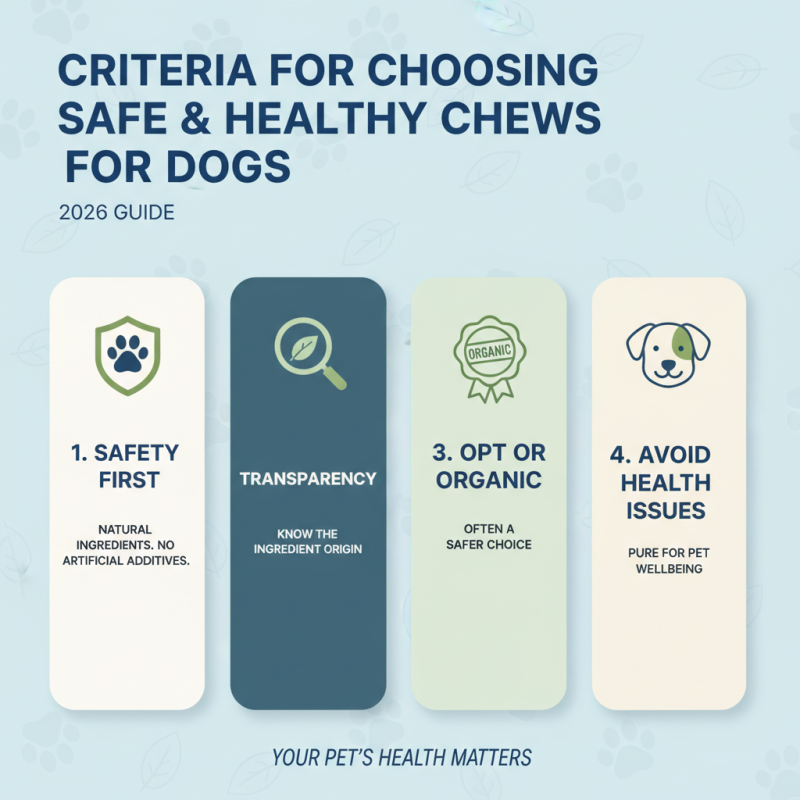
While there is a wealth of products, it’s essential to find reliable brands. Some dog owners may fall into the trap of marketing gimmicks. Therefore, understanding what makes a chew truly natural is crucial. Look for transparency in sourcing and production practices. This knowledge empowers dog owners to make the best decisions for their furry friends.
Top Natural Dog Chews: An Overview of Benefits
Natural dog chews offer numerous benefits for your furry friend. They provide mental stimulation and keep dogs engaged. Chewing can help reduce anxiety and destructive behaviors. Many natural options are rich in nutrients, promoting overall health. Dogs often enjoy the taste of these chews, making them a fun reward.
Moreover, natural chews contribute to dental health. They can help remove plaque buildup and freshen breath. However, not all chews are created equal. Some may be too hard and risk damaging teeth. Owners should observe their dogs while they chew. It's important to choose a size and texture appropriate for your pet's chewing habits.
Additionally, sourcing chews from reputable suppliers is crucial. Transparency in ingredient sourcing is key for pet owners. Dogs can be sensitive to certain ingredients, leading to gastrointestinal upset. Therefore, understanding what your dog consumes is essential. It's beneficial to consult with a veterinarian about the best chewing options.
Popular Natural Dog Chews: Types and Their Unique Features
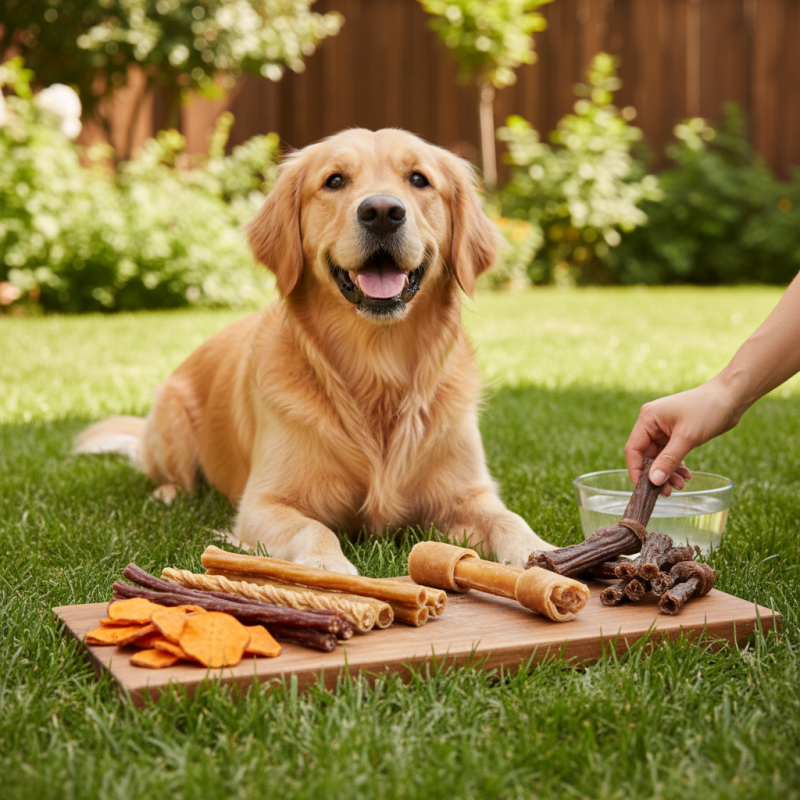
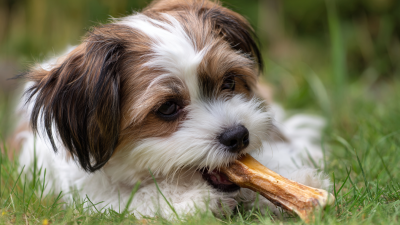
When selecting natural dog chews, understanding the types available is essential. Rawhide chews are popular options. They can keep dogs busy for hours. However, some dogs may struggle to digest them properly. This leads to concerns about gastrointestinal issues. Always observe how your dog reacts to these chews.
Another great option is antler chews. They are rich in minerals and are long-lasting. However, not all dogs enjoy their hardness. This could discourage them from chewing. Cow ears are another choice. They offer a softer texture and are easier to digest. But beware; they can be high in fat. Monitor your dog’s intake to avoid any weight gain.
Lastly, dehydrated meat chews are favored by many pet owners. They are tasty and nutritious. Yet, the quality can vary widely. It's crucial to choose reputable sources. With so many options, it's tricky to find the right fit. Observing your dog's chewing habits and preferences can guide your choice. Finding what works best may take some time.
Top Natural Dog Chews for 2026
This chart represents the popularity of different natural dog chews based on estimated sales figures. Bully sticks lead the chart, followed by dental chews and pig ears, showcasing the preferences of dog owners in choosing healthier and more natural options for their pets.
Understanding Nutritional Value and Digestibility of Chews
When selecting natural dog chews, understanding their nutritional value and digestibility is crucial. Many chews are rich in protein and essential nutrients. According to the Pet Food Institute, proteins are vital for maintaining a dog's health. A balanced diet should include appropriate sources of protein and fats. However, not all chews are created equal. Some may contain high levels of additives, impacting their overall nutritional quality.
Digestibility varies widely among different chews. A study published in the Journal of Animal Science indicates that natural chews often have better digestibility rates. This means dogs can absorb more nutrients, leading to healthier coats and better energy levels. Yet, the size and texture of some chews may pose risks. Hard treats can lead to dental fractures if not monitored. It’s essential for buyers to pay attention to the chew’s texture and their dog’s chewing habits.
Also, consider the potential discomfort that certain chews can cause. Some dogs may experience gastrointestinal issues after consuming specific types. Monitoring your pet for any signs of distress is essential. Always introduce new chews gradually. This approach can help identify what works well for your dog while minimizing potential problems.
Top Natural Dog Chews for 2026 - Nutritional Value and Digestibility
| Type of Chew |
Nutritional Value (per 100g) |
Digestibility (%) |
Calories |
Ideal For |
| Beef Jerky |
30g Protein, 5g Fat |
85% |
250 kcal |
Medium to Large Dogs |
| Sweet Potato Chews |
4g Protein, 0.2g Fat |
90% |
60 kcal |
All Dog Sizes |
| Antler Chews |
24g Protein, 6g Fat |
70% |
300 kcal |
Large Dogs |
| Pork Hide Chews |
20g Protein, 15g Fat |
80% |
350 kcal |
All Dog Sizes |
| Chicken Feet |
32g Protein, 7g Fat |
75% |
230 kcal |
Small to Medium Dogs |
Tips for Monitoring Your Dog's Chewing Habits and Safety
Monitoring your dog’s chewing habits is crucial for their safety and well-being. Natural chews can provide your furry friend with hours of enjoyment, but they also pose potential hazards. Keep a close eye on the size of the chew. A piece that’s too small can become a choking hazard. If your dog can swallow it easily, it’s time to replace it.
Always supervise your dog while they chew. This allows you to notice if they’re having difficulties. Pay attention to any changes in their chewing behavior. If they chew more aggressively or seem disinterested, it might be worth investigating further. This could indicate dental problems or that the chew is not suitable for them.
Choose chews that are appropriate for your dog’s size and chewing style. Soft chews may be more suitable for younger dogs, while stronger chews are ideal for aggressive chewers. Pay attention to changes in your dog’s stools as well. If there’s any sign of digestive upset, consult a veterinarian. Understanding these aspects ensures a safer chewing experience for your pet.