Ultimate Tips for Choosing the Best Dry Cat Food?
Choosing the right dry cat food is crucial for your feline's health. Renowned pet nutrition expert Dr. Jenna Katz emphasizes, "Quality dry cat food can significantly impact a cat’s life." This statement highlights the importance of making informed decisions when selecting food for your cat.
In a market flooded with options, it can be overwhelming. Many brands promise the best. However, not all dry cat food is created equal. Factors like ingredient quality, nutrient balance, and your cat's unique needs must be considered. With so many choices, it's easy to get lost in marketing claims.
Think about your cat's health. Do they have any allergies? What's their age? These questions matter more than you'd think. You want food that supports their well-being. Take time to read labels and research brands. Remember, your choice today affects your cat's tomorrow.
Understanding the Nutritional Needs of Cats for Optimal Health
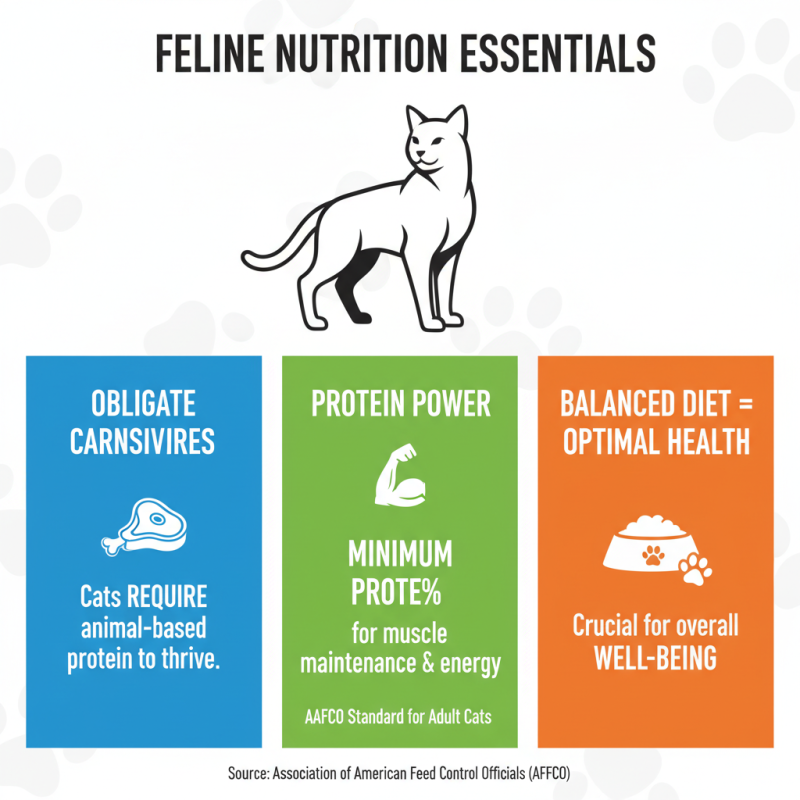
When it comes to cats, understanding their nutritional needs is essential for ensuring optimal health. A balanced diet can significantly impact their overall well-being. According to a study by the Association of American Feed Control Officials (AAFCO), adult cats require a minimum of 26% protein in their diet. This is crucial for maintaining muscle mass and overall energy levels. Cats are obligate carnivores, meaning their bodies thrive on animal-based proteins.
Choosing the right dry cat food can be tricky. Look for formulas high in protein and low in carbohydrates. Many experts recommend that dry food should contain around 10% to 15% carbohydrates. Too many carbs can lead to obesity and other health issues. Pay attention to the fat content as well; it should be around 20-30%. This balance is vital for their development and longevity.
Tip: Always check the ingredient list. Whole meats should be among the top ingredients. Another tip is to watch your cat's reaction to different foods. If they are excessively thirsty or show digestive issues, reconsider the choice. Dry food can often lack moisture. Consider adding water or wet food to your cat's diet for hydration. Evaluating your cat's unique needs is ongoing work. Each cat is different, and a one-size-fits-all approach might not work.
Evaluating Ingredients: What to Look for in Dry Cat Food
When it comes to choosing dry cat food, evaluating the ingredients is crucial. Start by examining the protein sources. High-quality animal proteins should be listed as the first ingredient. Look for specific meat types, like chicken or turkey, instead of generic terms like “meat by-products.” This can significantly affect your cat’s overall health.
Next, consider the carbohydrate content. Cats are obligate carnivores, meaning they thrive on meat, not grains. Ingredients like corn or wheat might not provide the necessary nutrients. Instead, opt for foods with vegetables or legumes, which can offer fiber and vitamins.
Don't forget about added nutrients. Essential fatty acids, vitamins, and minerals should be included. However, some dry foods may contain artificial preservatives. These can be detrimental to your cat’s health over time. Be mindful of this when reading the label. A balanced diet is not just about ingredients; it's about the right balance. Always reflect on how your cat reacts to the food. If you notice changes in behavior or digestion, it’s time to reassess your choice.
Ultimate Tips for Choosing the Best Dry Cat Food
This chart illustrates the optimal levels of key ingredients to look for in dry cat food. Ensuring your cat's diet has the right proportions of protein, fat, fiber, moisture, and ash is crucial for their health and wellbeing.
Assessing Brand Reputation and Quality Standards in Cat Food
When choosing dry cat food, assessing brand reputation is crucial. A study published by the Association of American Feed Control Officials (AAFCO) highlights the importance of quality standards. Brands that meet or exceed AAFCO's nutritional guidelines are more likely to produce safe and healthy products. This is essential for your feline's well-being.
Not all brands prioritize transparency. Some may lack clear sourcing information or labels. A recent survey showed that 40% of pet owners are unaware of what goes into their cat's food. This is a gap that requires attention. Evaluating product recalls and consumer reviews can provide insights into a brand's reliability.
Quality over price should be a guiding principle. An affordable option might compromise on essential nutrients. A report from Petfood Industry indicates that premium brands often invest more in ingredient quality. This can lead to better health outcomes for pets. However, trusting a brand solely based on its price can be misleading. It's essential to do thorough research for your cat's best interests.
Considering Special Dietary Needs: Age, Health, and Lifestyle Factors
When selecting dry cat food, it's essential to consider your cat's dietary needs. Age, health, and lifestyle play crucial roles. Kittens, for instance, require food rich in proteins and nutrients for growth. According to a recent veterinary study, a diet high in essential amino acids can significantly enhance their development.
For adult cats, balancing nutrition is key. They need fewer calories than kittens, but still require protein to maintain muscle mass. Cats aged seven or older may benefit from diets lower in fat, accompanied by added fiber for digestive health. A report from the American Association of Feline Practitioners states that 50% of older cats struggle with obesity, highlighting the need for careful dietary choices.
Health issues, such as diabetes or kidney disease, can dictate specific dietary requirements. Cats with diabetes often need food low in carbohydrates, while those with kidney disease may require lower protein levels. Observational data suggests that owners often overlook these factors, leading to worsening health conditions. It’s vital to consult your veterinarian for tailored advice. Each cat is unique, and their food should reflect their individual needs.
Reading Labels: How to Interpret Information on Dry Cat Food Packages
When choosing dry cat food, understanding the labels is essential. The ingredients list offers key insights but can be confusing. Many see terms like "meat meal" or "by-products" as potentially negative. However, "meal" means concentrated protein. High-quality proteins are crucial for your cat's diet. A recent industry report from pet food experts emphasizes that around 70% of cat owners fail to comprehensively read these labels.
Focus on the first few ingredients. They should primarily consist of identifiable meat sources. Look for whole meats at the top of the list. For cats, protein is vital for their health. You might notice phrases like "grain-free" or "high in fiber." These claim benefits but be cautious. Cats are obligate carnivores. Too many grains can lead to health issues.
Tip: Pay attention to the guaranteed analyses section. This indicates the minimum percentages of protein and fat. A high protein content is typically a positive factor. Yet, not all high protein foods are equal. Some might contain fillers. Reflect on your cat's response to different foods. A good food will promote optimal weight and energy.