How to Choose the Best Dog Products for Your Needs?
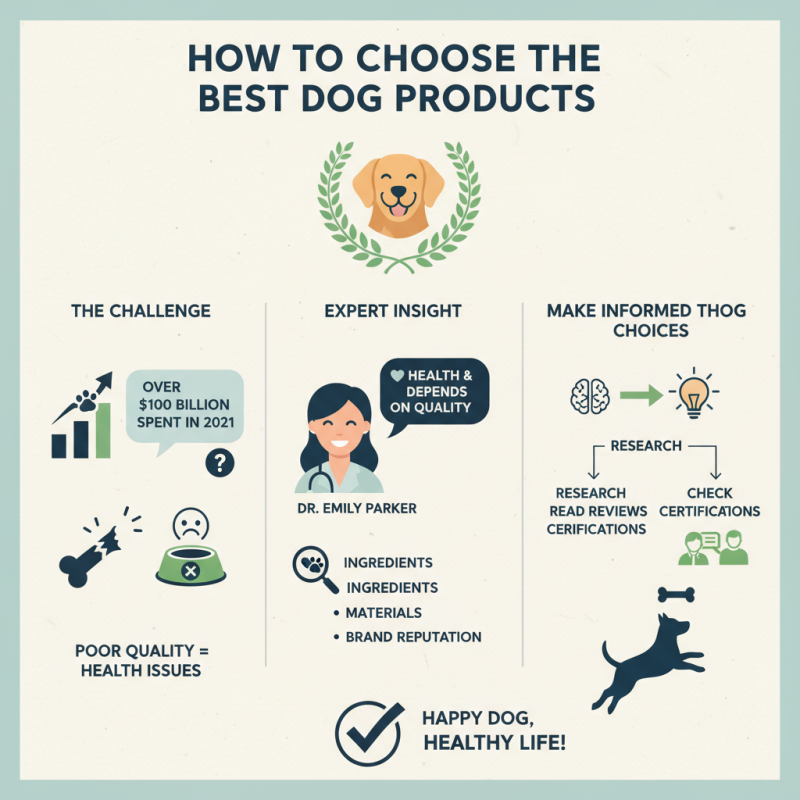
Choosing the right dog products can be overwhelming. With a vast market filled with options, pet owners often face difficult decisions. According to the American Pet Products Association, pet owners spent over $100 billion on dog products in 2021. This growth indicates a rising trend in consumer knowledge and demand for quality. However, not all products live up to expectations.
Dr. Emily Parker, a renowned veterinarian and pet care expert, emphasizes the importance of selecting the right products. She states, "The health and happiness of our dogs heavily depend on the quality of the products we choose." This insight underlines the need for careful consideration when purchasing dog products.
While there are many appealing options, the ramifications of poor choices can be significant. Low-quality dog toys can lead to health issues. Inappropriate food selections can affect your dog's well-being. Therefore, assessing the ingredients, materials, and brand reputation is vital. Research can help you make informed decisions for your furry friend’s needs. When in doubt, seek advice from professionals who understand the nuances of dog products.
Understanding Your Dog's Specific Needs and Lifestyle
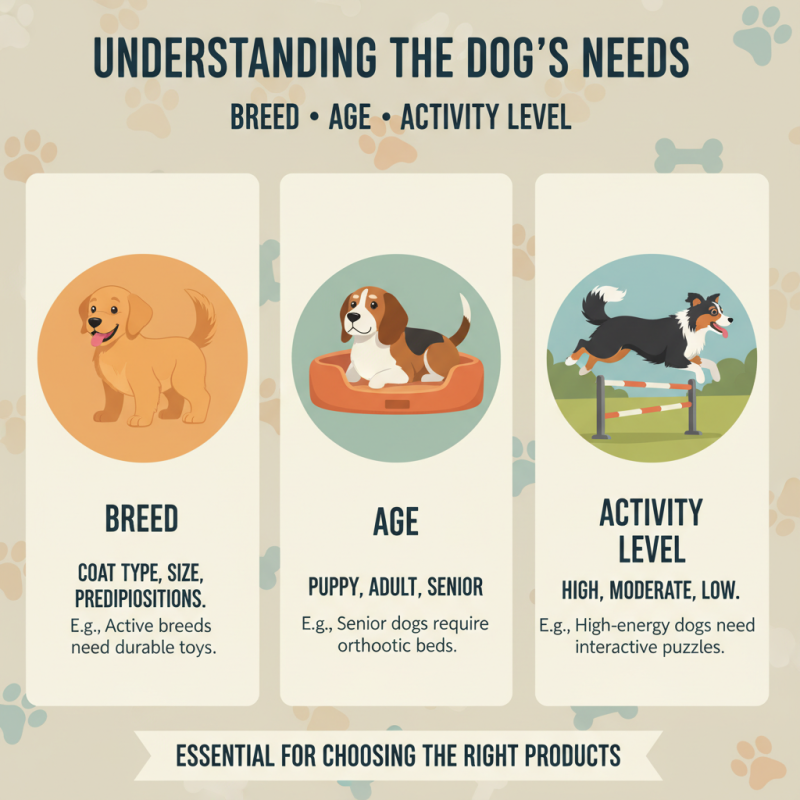
Understanding your dog's specific needs and lifestyle is essential in choosing the right products. Dogs are individuals, and their requirements vary greatly. Factors such as breed, age, and activity level play a critical role. For example, an active puppy may need durable toys, while a senior dog might require orthopedic beds.
Tip: Observe your dog’s habits. Does your dog often chew? Consider sturdy chew toys. If your dog loves the outdoors, look for water-resistant gear to keep them comfortable.
Nutrition is another key aspect. Different dogs have varying dietary needs based on breed and health. Consulting with a veterinarian can ensure you select the best food.
Tip: Research ingredients carefully. Reading labels helps identify quality nutrition. Watch for allergies and intolerances in your dog. Pay attention to any signs of discomfort after meals.
Taking time to understand your pet leads to better choices. Trust your instincts and consult professionals. Your dog's happiness and health are invaluable.
Identifying Essential Dog Products for Different Life Stages
Choosing the right dog products as your pet matures is crucial. Puppies need specific items to support their growth and development. For instance, high-quality puppy food is essential to provide the right nutrients. Additionally, training pads can help in housebreaking. Consider toys that encourage chewing, as teething is a big part of a puppy's early life.
As dogs transition to adulthood, their needs change significantly. Adult dogs typically require durable toys and sturdy leashes. Proper nutrition shifts to food that maintains their energy levels. Regular grooming products, like brushes and nail clippers, become more important to keep their coats healthy. This stage may also highlight some overlooked items, such as elevated food dishes for comfort.
During the senior years, specific products enhance mobility and comfort. Joint supplements can aid aging joints. Orthopedic beds provide the support senior dogs need for restful sleep. Dog ramps or steps can assist them in navigating around the house. However, it’s vital to continuously assess their changing needs. Sometimes, what works for one dog may not suit another, requiring adjustments and additional research.
Essential Dog Products for Different Life Stages
Evaluating Quality and Safety Standards in Dog Products
When choosing dog products, safety and quality are crucial. Many consumers overlook these factors, focusing instead on price or brand appeal. However, not all products meet high safety standards. It’s essential to evaluate the materials used in toys and collars. Look for non-toxic, durable materials that can withstand wear and tear. A product can be colorful and appealing but still harmful if made from subpar substances.
Read labels and certifications. Genuine products will often display safety certifications or quality assurance marks. Understand the implications of these certifications. Does it mean the product has passed certain tests? Investigate manufacturers to gain insights into their production processes. Some companies prioritize profit over safety. Researching their histories can illuminate whether they take their responsibility seriously.
Moreover, reviews can be invaluable. Yet, beware of overly positive feedback. Some reviews may be biased or manipulated. Look for detailed comments discussing wear and tear over time. Real experiences can highlight flaws you might not anticipate. Ultimately, critical evaluation of safety and quality will lead you to the best products for your dog’s needs.
Assessing Budget-Friendly Choices Without Compromising Quality
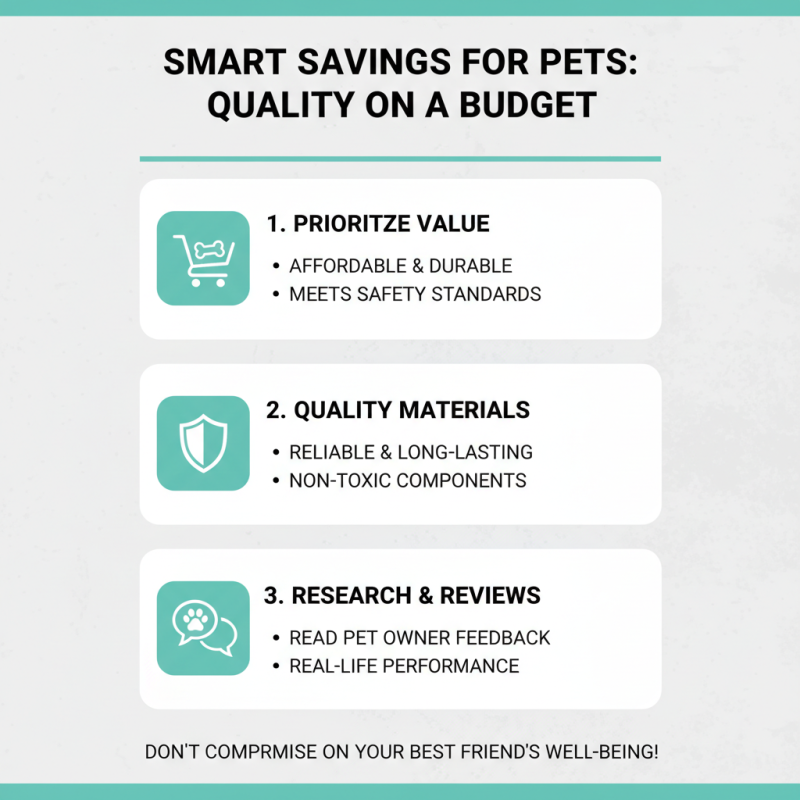
When selecting dog products, budget is often a major concern. It's wise to explore options that offer quality without breaking the bank. You can find many affordable dog supplies that meet safety and durability standards. Look for products made from reliable materials, ensuring they will last. Read reviews from other pet owners to gauge if the product holds up in real-life scenarios.
Consider the purposes of the items you need. For instance, if you're looking for a leash, check if it withstands daily wear and tear. Sometimes, higher-priced items promise extraordinary features that don't always deliver. Evaluate whether these features are necessary or merely appealing. Focus on offerings that provide essential functionality without the added frills.
Don't forget to think about the long term. Investing in quality items can save money over time. Cheaper options may seem tempting initially but can lead to more waste. Choose wisely and allow for some trial and error. It's a part of the process. Learning from your experiences will help you find the best fit for your dog.
Reading Reviews and Recommendations for Informed Decisions
When searching for the best dog products, reading reviews is crucial. Reliable reviews provide insights into the experiences of other pet owners. They can reveal advantages you might not have considered. Look for detailed accounts of product performance. These insights help you gauge if the product will suit your dog’s needs.
Recommendations from trusted sources also matter. Seek guidance from veterinarians and pet care experts. Their authority can help you know what products are genuinely beneficial. However, remember that every dog is unique. A product that works for one may not work for another. Reflect on your dog’s specific needs and preferences. Pay attention to the ingredients and materials used in products, ensuring they are safe and effective.
While reading reviews, look for patterns. Do multiple reviewers mention similar pros and cons? This can signify a product’s reliability. Be cautious of overly positive or negative reviews, as they can sometimes be biased. Take time to compare different products before making a decision. This approach ensures your choice aligns with your dog’s lifestyle while prioritizing their health and comfort.