When it comes to ensuring the health and happiness of our feline companions, the foundation lies in providing them with the right nutrition. One key aspect of this is selecting quality cat food that meets their unique dietary needs. With a plethora of options available in the market, it can often be overwhelming for pet owners to choose the best products that will not only support their cats' well-being but also enhance their quality of life.
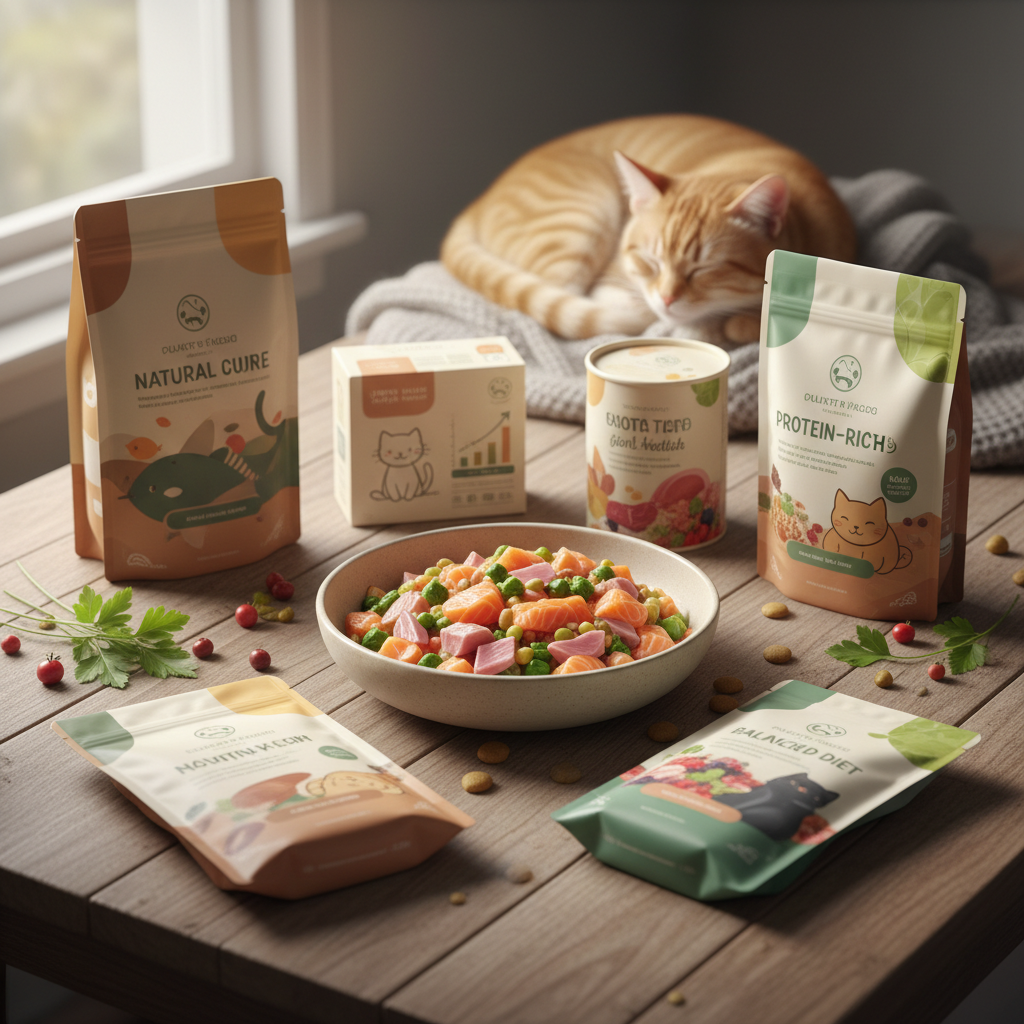
This guide aims to simplify that decision-making process by showcasing the top five quality cat food options that stand out for their ingredient integrity, nutritional balance, and overall palatability. From premium brands that prioritize natural ingredients to those fortified with essential vitamins and minerals, each choice is carefully evaluated to ensure it aligns with the dietary requirements of different cats—whether they are kittens, adults, or seniors. By investing in quality cat food, you can lay the groundwork for a healthier, happier feline friend that thrives on their optimal diet.
The Importance of Moisture: Why Wet Food Matters for Cats

This chart illustrates the nutritional components of top-rated cat food options, highlighting their protein, fat, and fiber content.
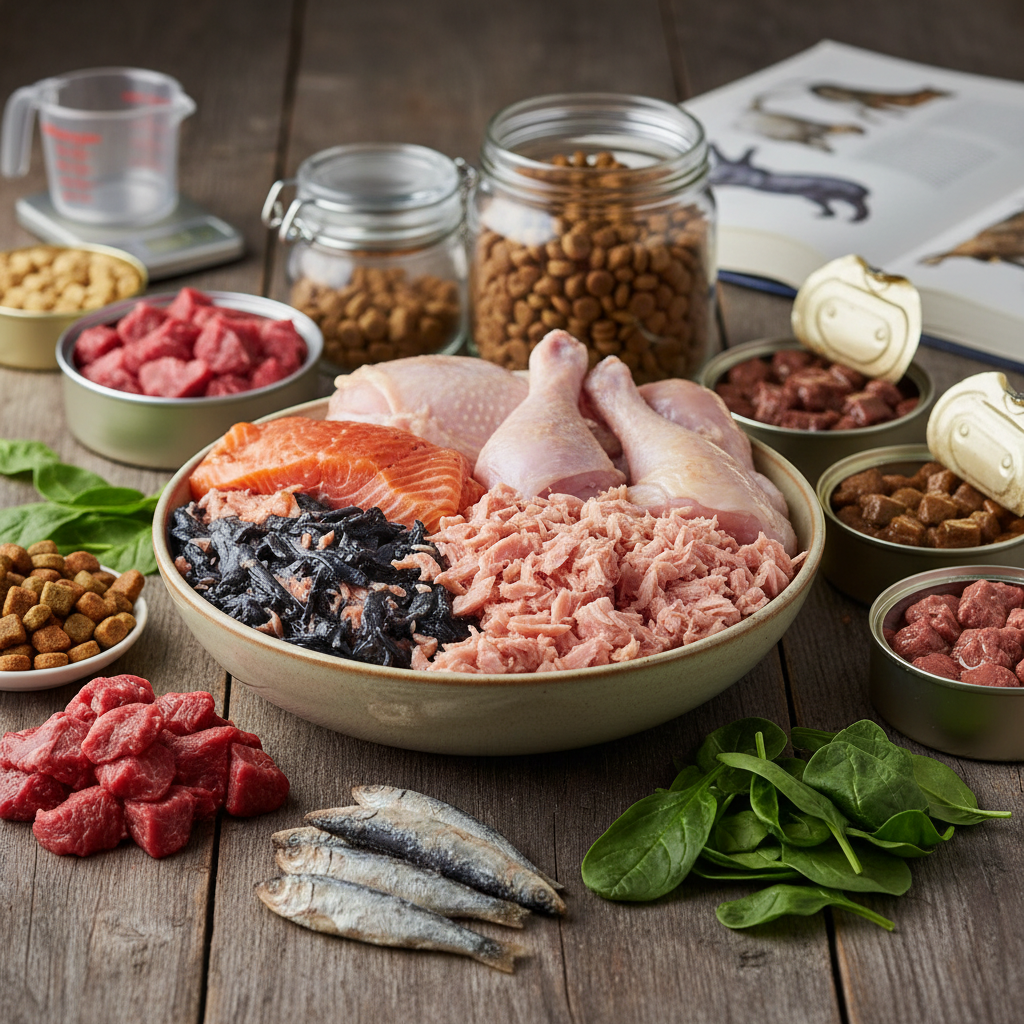
When it comes to choosing quality cat food, understanding the ingredients is paramount. According to a report by the Association of American Feed Control Officials (AAFCO), a solid diet for cats should be high in protein, with at least 30-40% derived from animal sources. This reflects the obligate carnivore nature of cats, which require amino acids found primarily in meat. Look for ingredients like real meat, fish, or poultry listed as the first item on the label, devoid of fillers such as corn or by-products that provide little nutritional value.
Another critical factor to consider is the inclusion of healthy fats and essential nutrients. A study published in the Journal of Animal Science emphasizes the importance of omega fatty acids, which support skin health and coat quality. Ingredients such as fish oil or flaxseed are excellent sources. Moreover, vitamins and minerals should be present to ensure your cat’s overall health, with taurine being a crucial one for heart and eye health, as highlighted by the Pet Food Institute. By evaluating these key components, pet owners can make informed choices that significantly improve their feline friends' health and happiness.
When it comes to selecting the best cat food, pet owners often find themselves overwhelmed by the vast array of options available. According to the American Veterinary Medical Association (AVMA), a balanced diet is crucial for maintaining a cat's overall health and well-being. In fact, studies show that 43% of cats are overweight, leading to numerous health issues that can be avoided with proper nutrition. Here’s a look at five leading brands that stand out for their quality ingredients and nutritional profiles.
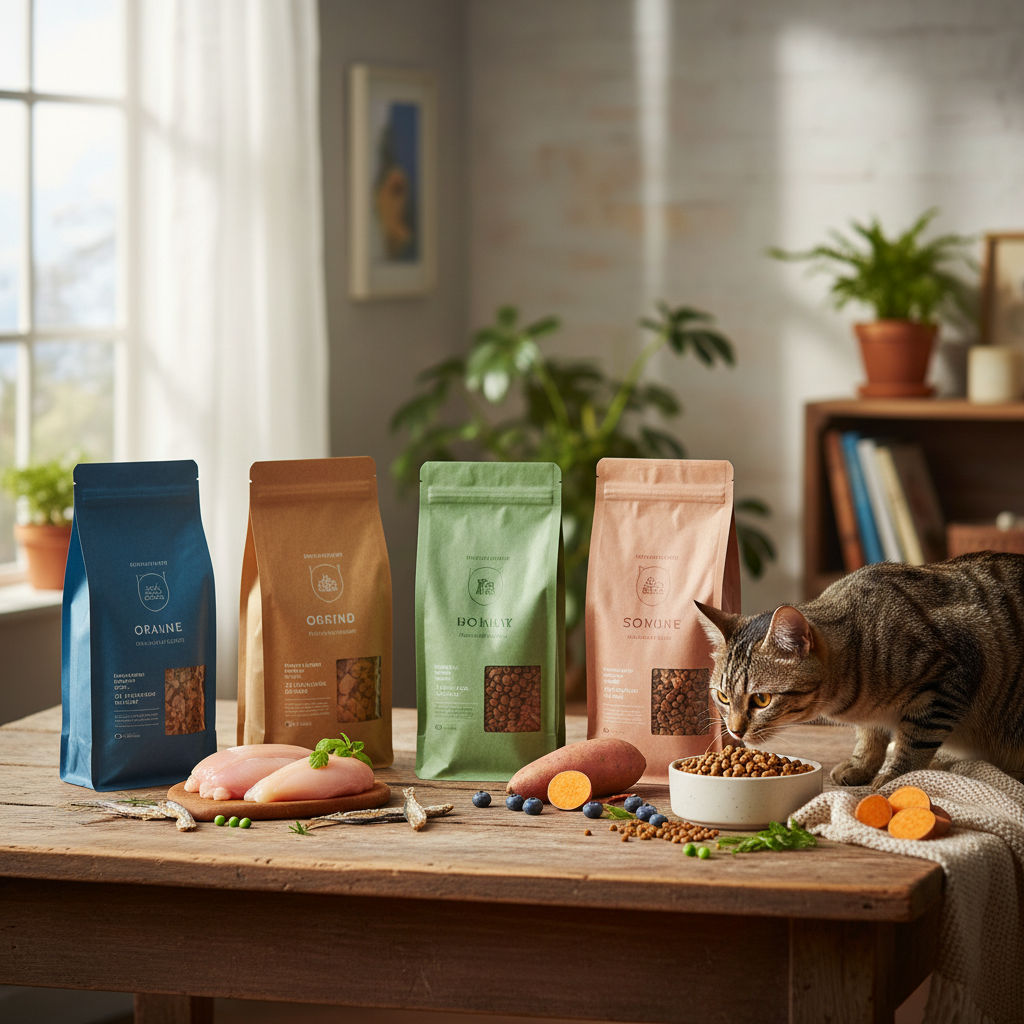
Leading the pack is Royal Canin, known for its tailored recipes that cater to specific breeds and health needs. This brand emphasizes high-quality proteins and nutrients, providing a balanced diet that supports healthy weight and digestive health. Another notable contender, Hill’s Science Diet, utilizes a blend of wholesome ingredients and scientifically formulated recipes that cater to various life stages. According to a report by Petfood Industry, brands like Blue Buffalo and Wellness also emphasize grain-free options, appealing to the growing number of pet parents opting for holistic dietary choices.
Tips: Always check the guaranteed analysis on pet food labels to ensure that the food provides an adequate balance of protein, fats, and carbohydrates. Additionally, consider your cat's specific needs; for example, age, weight, and any health concerns. Gradually introduce new food to prevent digestive upset, making the transition smoother for your feline friend.
When selecting the best quality cat food for your feline friend, understanding portion control is crucial for maintaining a healthy weight. Many cat owners tend to overestimate the amount of food their pets require. To ensure your cat remains fit and happy, it is essential to adhere to feeding guidelines provided by the manufacturer, taking into account your cat’s age, weight, and activity level. Each cat has unique nutritional needs, and following these guidelines helps prevent obesity, which can lead to various health issues.
Using a measuring cup to serve precise portions based on the guidelines is a simple yet effective strategy. Regularly monitoring your cat's weight and adjusting portions as needed can also promote long-term health. Additionally, incorporating frequent check-ups with your veterinarian can provide tailored advice on your cat’s dietary needs and weight management. Remember, feeding your cat the right amount of high-quality food not only contributes to its well-being but also ensures a happier, more active life.
When it comes to feline nutrition, moisture content in cat food is crucial for a healthier and happier cat. According to the American Association of Feed Control Officials (AAFCO), cats are obligate carnivores, meaning they require high levels of protein and moisture in their diets.
Wet cat food typically contains around 75-80% moisture, which is significantly higher than dry kibble options that only provide about 10-12% moisture. This difference can have a profound impact on a cat's hydration levels and overall health.
Research indicates that a higher moisture intake may reduce the risk of urinary tract diseases, which are common in cats. A study published in the Journal of the American Veterinary Medical Association found that cats consuming wet food had lower concentrations of urinary crystals, leading to a decreased incidence of urinary blockages and infections.
Furthermore, maintaining adequate hydration through wet food can assist in preventing kidney disease, which affects 1 in 3 cats over the age of 10, as noted by the Veterinary Medical Association. Therefore, ensuring that your feline companion has access to quality wet food can be a foundational step toward promoting their long-term health and well-being.