Top 10 Pet Food Manufacturers for Global Buyers?
Choosing a reliable Pet Food manufacturer is rarely as simple as comparing factory size or annual sales. Global buyers need evidence that products are safe, consistent, traceable, and suitable for different markets. This guide introduces ten manufacturers that attract international attention through production capacity, formulation expertise, quality systems, and export experience.
The evaluation considers more than attractive catalogs. It looks at ingredient sourcing, laboratory testing, allergen controls, production flexibility, packaging options, and documented certifications. Facilities with recognized food-safety systems can offer stronger confidence, but certificates alone do not guarantee dependable performance. Site audits, sample testing, and clear communication still matter.
Markets differ widely. A recipe accepted in one country may require new labeling, nutrition data, or ingredient approval elsewhere. Buyers should examine minimum order quantities, lead times, private-label support, and recall procedures before signing contracts. Cold storage and port access may also affect the final landed cost.
No ranking is perfect. Supplier information changes, and some manufacturers disclose more than others. A smaller producer may provide better customization than a larger corporation. That possibility deserves attention. The strongest choice depends on product type, target customers, budget, and risk tolerance.
Readers will find practical comparison points for dry food, wet food, treats, and specialized diets. Each manufacturer should be assessed against current documentation and independent verification. Trust grows through records, not promises. Careful research can prevent costly surprises, from inconsistent kibble texture to delayed shipments at a busy port.
What Defines a Leading Global Pet Food Manufacturer?
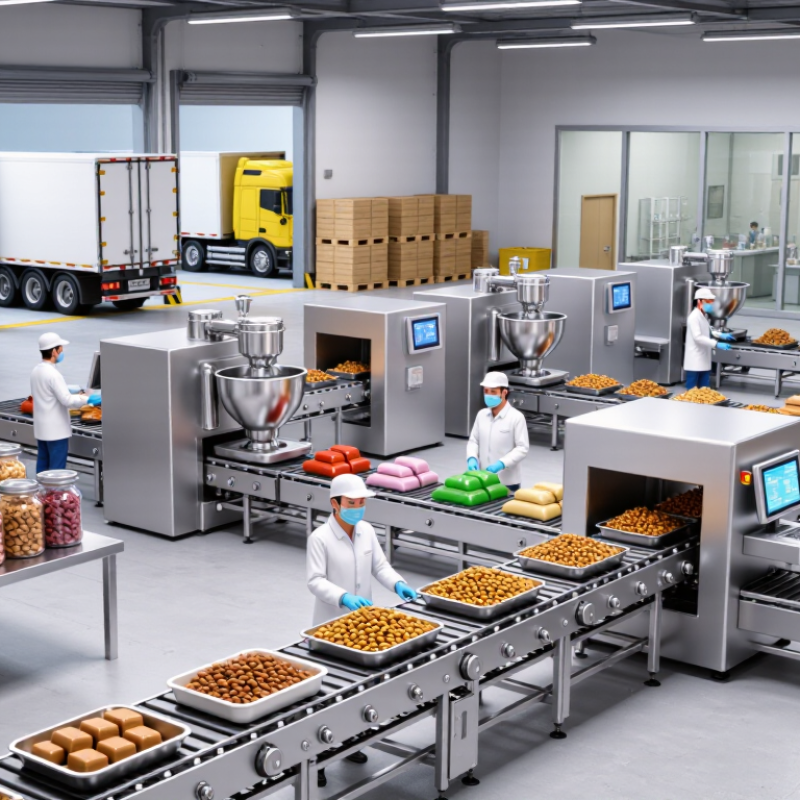
A leading global pet food manufacturer is defined by more than production volume. It must convert nutritional science into consistent, safe meals across markets. FEDIAF’s 2024 Facts and Figures report records 139 million pet-owning households in Europe. It also reports 9.7 million tonnes of pet food sold annually. Such scale demands disciplined sourcing and documented traceability. Buyers should inspect supplier approval, batch coding, recall procedures, and laboratory testing. A factory visit matters. Look for clean zoning, sealed ingredient storage, and calibrated weighing equipment. These details reveal operational maturity better than polished presentations.
Professional formulation is equally important. Recipes should reflect life stage, species, digestibility, and feeding guidance. Manufacturers should explain nutrient targets using recognized nutritional standards. The Global Pet Industry Association’s 2024 market analysis identifies nutrition, premiumization, and health-focused products as major growth themes. However, market trends can encourage exaggerated claims. That deserves caution. Reliable suppliers provide complete specifications, certificates, stability data, and independent test results. They also adapt packaging and labeling to local requirements without weakening product consistency. Strong manufacturers maintain backup suppliers and realistic inventory plans. Freight delays happen. Even excellent systems can fail during sudden disruptions. A transparent corrective-action process shows experience, not perfection. Sustainability should include measurable energy, water, packaging, and waste data, rather than vague promises. Buyers should compare audited figures over time. The best partner remains accountable when results are inconvenient.
How the Top 10 Pet Food Manufacturers Are Selected
Selecting the top 10 pet food manufacturers for global buyers requires more than checking sales volume. Market size matters, but it cannot prove manufacturing quality. The American Pet Products Association reported US pet industry spending of $147 billion in 2023, showing strong consumer demand. FEDIAF’s 2024 facts and figures report also identified about 139 million European households with pets. These figures support market potential, not automatic supplier approval.
A reliable selection process should examine audited food-safety systems, production capacity, export experience, traceability, and product consistency. Buyers should request certificates, recent laboratory results, recall records, and batch-level documentation. Nutrition expertise deserves attention too. Formulas should match the target animal, life stage, and destination-market requirements. Delivery performance and communication are practical tests. A factory may produce excellent food but still fail a buyer through unstable lead times.
Tips: Build a weighted scorecard before contacting suppliers. Give quality and traceability more weight than packaging design. Visit the facility when possible, or arrange an independent audit. Compare at least three production batches. One sample proves very little. Sustainability claims also need evidence, such as measurable energy, sourcing, or waste data. No scorecard is perfect; exchange rates, freight disruptions, and changing regulations can alter the final decision. A polished website proves little. Direct verification remains the stronger signal.
Profiles of the Top 10 Pet Food Manufacturers Worldwide
The ten manufacturers profiled here represent different strengths across the global pet food supply chain. Some operate large wet-food plants, while others specialize in dry diets, treats, veterinary formulas, or private-label production. Their facilities commonly use automated weighing, batch tracing, and laboratory testing for nutrition and safety. Scale matters, but it is not everything.
The American Pet Products Association reported that United States pet food and treats sales reached approximately 58.1 billion dollars in 2023. FEDIAF’s 2024 industry report recorded about 299 million pets in Europe and roughly 29.2 billion euros in pet food sales. These figures explain why leading manufacturers invest in regional factories, flexible packaging lines, and stable ingredient sourcing. Global buyers should examine production capacity, export experience, recall procedures, and certification evidence.
The profiles also reveal important differences. One manufacturer may offer strong grain-free research, while another provides better canned-food capacity or smaller minimum orders. Not every large producer serves every market well. That is worth questioning. Buyers should request recent audit records, laboratory results, allergen controls, and shelf-life data before signing contracts. Public rankings can also be imperfect because companies disclose different financial and manufacturing details. A practical evaluation should therefore combine reported revenue, facility capability, product consistency, and verified customer experience.
Comparing Products, Certifications, Capacity, and Market Reach
Choosing a pet food manufacturer requires more than comparing attractive packaging. Product range should match local demand, including dry kibble, wet meals, treats, and carefully documented functional formulas. Check ingredient specifications, animal-protein sources, feeding instructions, and batch consistency. Small details matter.
Certifications provide useful evidence, but they are not the whole story. Look for current HACCP, ISO 22000, FSSC 22000, or BRCGS certification, then verify the certification scope and audit date. Request laboratory results for microbiological safety, moisture, and nutritional analysis. Reliable manufacturers should provide traceability from incoming ingredients to finished cartons. During supplier evaluations, I also examine complaint records and recall procedures. A polished certificate alone is not enough.
Capacity must be measured in practical terms. Ask about monthly output, minimum order quantities, packaging lines, pallet standards, and seasonal lead times. A large factory may still struggle with customized formulas or small initial orders. Market reach depends on export experience, import registration support, label compliance, and regional logistics. Confirm whether the supplier can serve ambient or temperature-sensitive products reliably. I have seen promising partnerships weaken because communication was slow and forecasts were unclear. That risk deserves attention.