Natural Dog Care Guide 2026 How to Keep Your Pet Healthy and Happy?
In the quest for a happy dog, many owners are turning to Natural Dog care. This approach emphasizes holistic health. It encourages pet parents to use nature-based methods for their furry friends.
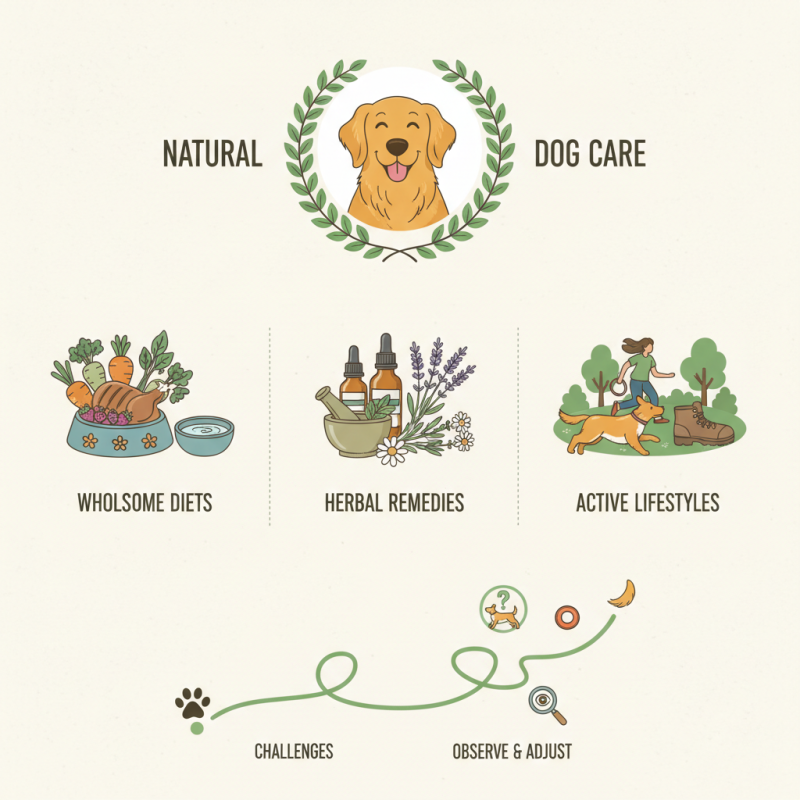
Natural Dog care includes wholesome diets, herbal remedies, and active lifestyles. Dogs thrive on fresh foods, like vegetables and lean meats. These choices foster better digestion and stronger immunity. Many owners find that homemade meals improve their dog's happiness.
However, the journey is not without challenges. Transitioning to natural care can be tricky. Some pets may resist new foods or routines. It's crucial to observe their reactions and adjust accordingly. Each dog is unique, and what works for one might not work for another. Embracing the natural path demands patience and dedication.
Understanding Your Dog's Nutritional Needs for Optimal Health
Understanding your dog's nutritional needs is essential for their health and happiness. Dogs require a balanced diet that provides proteins, fats, carbohydrates, vitamins, and minerals. A lack of essential nutrients can lead to health issues. For example, insufficient protein affects muscle development. Likewise, missing out on fatty acids can lead to a dull coat.
It's easy to overlook portion sizes and feeding schedules. Different breeds have different needs. A small dog requires less food than a large breed. Overfeeding can lead to obesity, while underfeeding can cause malnutrition. You may think you are doing well, but sometimes you are not. Observing your dog’s energy levels and coat condition can reveal much about their diet. Regular adjustments based on their age and activity level are crucial.
You may find that your dog thrives on whole foods rather than processed options. Fresh fruits and vegetables can be great additions. However, some human foods are toxic to dogs. Always research before introducing new items. It is a journey to find the right balance that suits your pet. Trust your instincts, but remain open to learning and adapting.
Essential Natural Remedies for Common Canine Ailments
Dogs, like humans, can suffer from various health issues. Many common ailments have natural remedies. For skin irritations, oatmeal baths hydrate and soothe. Aloe vera gel is another safe option for minor cuts or burns. These remedies are easy to administer and often found at home.
Digestive problems can be distressing for dogs. Plain yogurt can aid in digestion, promoting healthy gut flora. Additionally, pumpkin is a useful solution for both diarrhea and constipation. It's surprising how simple foods can make such a difference. However, you should always monitor your dog's reaction.
Respiratory issues might require more attention. Steam inhalation helps with congestion. A humid environment can ease breathing difficulties. Yet, not all remedies work for every dog. It’s essential to observe your pet closely and consult a vet if needed. These insights can help you nurture a happier, healthier dog.
Natural Dog Care Guide 2026: Essential Natural Remedies for Common Canine Ailments
| Ailment |
Symptoms |
Natural Remedy |
Dosage |
| Flea Infestation |
Itching, Scratching, Red Bumps |
Apple Cider Vinegar Spray |
1 part vinegar to 1 part water, spray as needed |
| Ear Infections |
Head Shaking, Odor, Redness |
Coconut Oil Drops |
2-3 drops in each ear, 2-3 times a week |
| Digestive Issues |
Vomiting, Diarrhea, Loss of Appetite |
Pumpkin Puree |
1-2 tablespoons mixed with food |
| Skin Allergies |
Redness, Itching, Hair Loss |
Oatmeal Bath |
Soak for 15-20 minutes, as needed |
| Joint Pain |
Limping, Difficulty Standing, Stiffness |
Turmeric Supplement |
1/4 teaspoon daily, adjust based on size |
Effective Training Techniques for a Happy and Well-Behaved Dog
Training a dog effectively is vital for their happiness and well-being. Studies show that over 60% of pet owners experience behavioral issues with their dogs. Issues can include excessive barking, chewing, or aggression. A significant part of dog training involves positive reinforcement. This means rewarding good behavior rather than punishing bad behavior. Research from the Animal Behavior Society suggests that positive training methods lead to better long-term results.
Understanding your dog's specific needs and behaviors is crucial. Some dogs may respond well to treats, while others prefer praise or playtime. In fact, around 30% of dogs may become stressed if training is too inconsistent or harsh. Observing your dog closely can help tailor your methods. However, many owners still struggle with consistency. Regular practice is essential. This can mean daily training sessions, even if short, to reinforce learning.
Mistakes in training happen often. Sometimes, owners set unrealistic expectations. Dogs learn at their own pace. It’s easy to feel frustrated, but patience is key. Reflecting on your approach can also help. Are you staying calm? Are your training sessions engaging? Seeking advice from trainers may provide new insights. Always remember, your dog's joy in learning should shine through. Balancing discipline with love will lead to a more harmonious relationship.
The Importance of Regular Exercise and Mental Stimulation
Regular exercise is essential for dogs. It helps them maintain a healthy weight and strong muscles. A daily walk of at least 30 minutes can do wonders. Dogs need fresh air, and they love to explore their surroundings. Playtime in the yard or a park is also beneficial. Fetch, tug-of-war, or agility activities can keep them active and happy.
Mental stimulation is equally vital. Dogs, just like humans, can become bored. Puzzle toys keep their minds engaged. Training sessions offer learning opportunities and strengthen bonds. Simple tricks can be fun and rewarding. A well-stimulated dog is less likely to exhibit destructive behaviors. Sometimes, however, it can be challenging to meet their exercise needs daily.
Owners may struggle with their own schedules. Weather variations can also hinder outdoor activities. It’s okay to seek alternatives, like indoor play or interactive games. Reflecting on your dog's routine can guide improvements. Small adjustments might make a big difference. Keeping your pet engaged requires thought and effort, but the results are worthwhile.
Natural Dog Care Guide 2026: The Importance of Regular Exercise and Mental Stimulation
This chart illustrates the recommended hours spent on various activities for keeping your dog healthy and happy. Regular exercise and mental stimulation are essential for your dog's well-being, ensuring they lead a fulfilling life.
Creating a Safe and Comfortable Living Environment for Your Pet
Creating a safe and comfortable living environment for your pet is essential. Start by ensuring that your home is free of hazards. Keep harmful substances out of reach. Move any cords or sharp objects away from their play area. This simple adjustment can prevent accidents and injuries.
Comfort matters too. Provide a cozy bed in a quiet corner. Pets crave a place to unwind. They enjoy warmth and security. Consider their favorite spots around the house. If they prefer areas with sunlight, let them have access. Creating a personal space helps them feel safe.
Regular cleaning is necessary. Dirt and clutter can stress pets. Ensure that their living area is clean and fresh. Pet hair can accumulate quickly; regular vacuuming helps. Take time to observe your pet’s behavior. Small changes can make a big difference. Reflect on their needs and adjust as necessary. Every pet is unique.