How to Choose the Best Dog Dental Products?

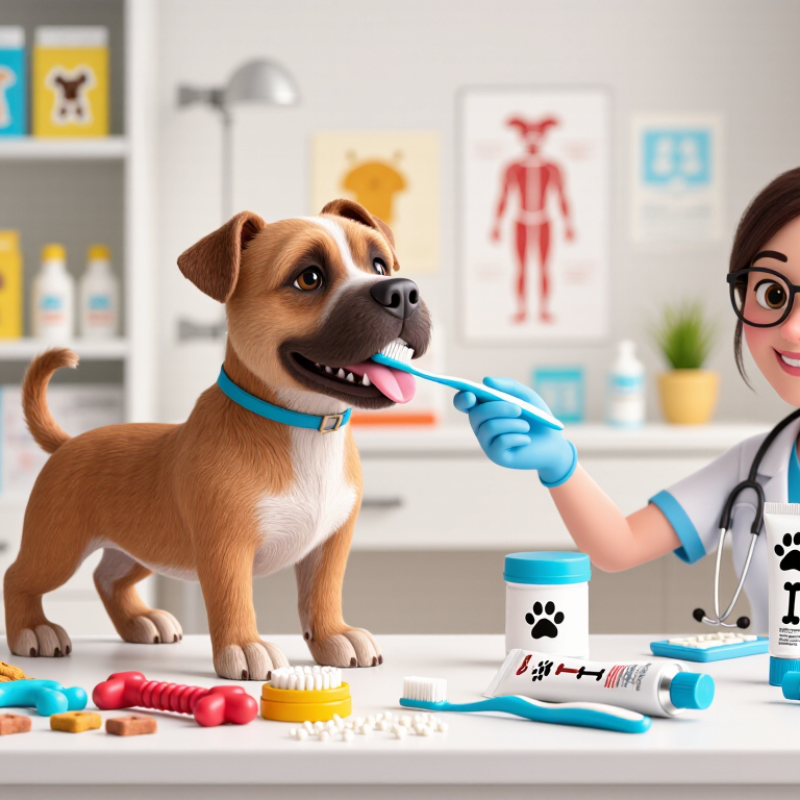
Choosing the best Dog Dental products begins with your dog’s needs, not the brightest package. A toothbrush left in a cupboard cannot help. A product your dog tolerates is more likely to become part of a steady routine. Consider your dog’s size, age, chewing habits, and comfort with having their mouth handled. A small, soft-bristled brush may suit one dog, while another may do better with a finger brush introduced gradually. Keep the first sessions brief. Praise and patience can help.

Read product labels carefully. Choose toothpaste made for dogs; human toothpaste is not intended for them. For dental chews, check the size guidance and supervise your dog while they chew. A chew that is too small or unsuitable for your dog’s habits may pose a choking risk. Look for products with credible evidence behind their dental claims, such as the Veterinary Oral Health Council’s accepted-products list. No product replaces regular brushing or a veterinary examination. Small details matter.

There is no perfect product for every dog. Some dogs resist brushing, and some owners find it hard to keep a daily routine. That is worth admitting. Start with a manageable option, observe how your dog responds, and adjust without forcing the process. Persistent bad breath, bleeding gums, loose teeth, or signs of mouth pain deserve a veterinarian’s attention. This guide will help you compare product types, assess practical safety, and choose an approach you can use consistently.
How to Choose the Best Dog Dental Products?

Understand Your Dog’s Dental Health Needs

A dog’s dental needs depend on age, mouth shape, chewing habits, and existing discomfort. A puppy may need gentle handling to get used to toothbrushing, while an older dog may have worn teeth or gum changes that need a veterinary check. Small mouths and crowded teeth can trap food along the gumline. Look for persistent bad breath, red gums, visible buildup, or reluctance to chew. These clues matter, but dogs can hide pain.

Match products to what your dog will safely tolerate. A soft-bristled toothbrush and toothpaste made for dogs allow you to clean the outer tooth surfaces without forcing the mouth open. Never use human toothpaste. If brushing is difficult, ask a veterinary professional about suitable alternatives, such as dental chews or diets. Choose an appropriate size, supervise chewing, and stop if your dog coughs, gags, or struggles. No product replaces an examination or cleaning when one is needed.

It is easy to overread one bad-breath day. I would not diagnose from that alone. Watch for changes over several days, and note which side your dog chews on or whether food falls from the mouth. A cracked tooth, bleeding, facial swelling, or sudden refusal to eat deserves prompt veterinary attention. Even a calm-looking dog may be uncomfortable; that part is easy to miss.
Compare the Main Types of Dog Dental Products

Dog dental products differ in how directly they remove plaque. A soft-bristled toothbrush with dog-safe toothpaste reaches the gumline and tooth surfaces best, but it takes patience. Lift the lip and brush a few teeth at a time. Never use human toothpaste; some ingredients can harm dogs.

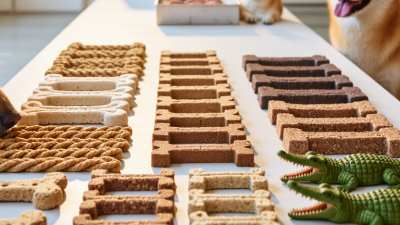
Dental chews and specially formulated diets can help reduce plaque or tartar, especially when brushing is difficult. A chew should suit your dog’s size and chewing style. Watch closely: hard objects may damage teeth, and swallowed pieces can pose a hazard. Water additives and dental wipes are easier to use, but they may not clean every tooth. Convenience has limits. Banfield Pet Hospital’s 2016 State of Pet Health report found periodontal disease in nearly 80% of dogs by age three, highlighting why daily care matters.

When comparing products, look for the Veterinary Oral Health Council (VOHC) Seal, which indicates a product met its standards for plaque or tartar reduction. It does not replace veterinary advice or professional cleaning. No product works equally well for every dog. Some dogs reject brushing; others gulp chews too quickly. Ask your veterinarian to check your dog’s teeth and help match the product to their age, chewing habits, and dental condition.

Check Product Ingredients, Safety, and Quality

When choosing dog dental products, read the full ingredient list, not just the claims on the front. A toothpaste made for people may contain ingredients that are unsuitable for dogs, so choose one clearly labeled for canine use. Check what each active ingredient does and follow the product directions. If your dog has allergies, takes medication, or has a sensitive stomach, ask a veterinarian before trying something new. A familiar-looking ingredient is not automatically safe in every amount.

Read the label. Also check the seal, expiry date, and storage instructions. Clear directions and a complete ingredient list make it easier to judge product quality. Look for specific information about testing or dental benefits, rather than relying on vague promises. A dental chew should match your dog’s size and chewing style; a hard product may be a poor fit for a dog with fragile teeth. Small details matter. It is easy to skim a label too quickly, especially when the package looks reassuring. If ingredient amounts or safety details are missing, contact the maker or choose a product with clearer information. Stop using it and seek veterinary advice if your dog develops irritation, vomiting, or unusual discomfort.

How to Choose the Best Dog Dental Products? - Check Product Ingredients, Safety, and Quality

Product type Ingredients or materials to review Safety checks Quality and effectiveness indicators
Dog toothpaste Check the full ingredient list and choose a formula made specifically for dogs. Enzymes may be included to help manage plaque. Flavorings should be suitable for pets. Avoid products containing xylitol, which is toxic to dogs. Do not use human toothpaste; dogs may swallow it, and some human formulas contain ingredients unsuitable for pets. Look for clear directions, a complete ingredient declaration, an intact seal, and a stated expiry date. Regular brushing with a dog-safe toothpaste helps remove plaque.
Dental chews Review the ingredient list, calorie content, and feeding instructions. Choose an appropriate size and texture for the dog. Supervise chewing and select a chew that is not small enough to swallow whole. Very hard items, such as bones, antlers, and hooves, can damage or fracture teeth. Prefer products with clear size guidance and feeding directions. Check whether the product appears on the Veterinary Oral Health Council (VOHC) accepted-products list; acceptance applies to the stated dental claim.
Dental water additives Check the active ingredients, dilution instructions, and whether the formula is specifically labeled for dogs. Use only as directed. Stop use and contact a veterinarian if the dog develops irritation, vomiting, or refuses water. Ask a veterinarian before use for dogs with health conditions or medication needs. A clear dose per volume of water and straightforward storage instructions are useful quality signals. Water additives do not replace brushing or veterinary dental care.
Dental wipes or pads Check that the wipe is intended for canine oral use and review its ingredients, including any flavoring or cleaning agents. Follow the label and avoid forceful use, especially if the gums are sore or bleeding. Do not let the dog chew or swallow the wipe. Packaging should provide clear use instructions and storage guidance. Wipes may help clean accessible tooth surfaces but generally do not reach all areas as effectively as brushing.
Dental powders or food toppers Review every ingredient, the amount to feed, and any stated dietary or allergy considerations. Check whether the product is intended for daily use. Follow serving directions and consider the dog’s total diet. Consult a veterinarian if the dog has a medical condition, food sensitivities, or a restricted diet. Look for transparent ingredient and feeding information, a lot or batch code, and an expiry date. Treat powders as an addition to—not a replacement for—brushing and dental checkups.
Any dental product Read the complete label, intended use, storage requirements, and any warnings. Do not rely on broad claims without supporting details. Choose a product appropriate for the dog’s size, age, chewing habits, and health. Seek veterinary advice for persistent bad breath, mouth pain, loose teeth, or bleeding gums. Check for legible labeling, intact packaging, lot or batch identification, expiry information, and specific directions. Independent evidence, such as VOHC acceptance for a stated claim, can help inform selection.

Choose Products That Fit Your Dog’s Size and Habits

How to Choose the Best Dog Dental Products?
Choose Products That Fit Your Dog’s Size and Habits

A dental product should suit your dog’s mouth, chewing style, and daily routine. A small dog may struggle with a large toothbrush or oversized chew, while a tiny item could be unsafe for a powerful chewer. Check the product’s size guidance, then watch how your dog handles it. Does it fit comfortably? Can your dog chew it without gulping or breaking off large pieces? Supervise chewing, especially at first. No product is right for every dog.

For brushing, choose a brush head that can reach the back teeth without scraping the gums. Some dogs accept a soft finger brush; others prefer a handled brush. Go slowly, and stop if your dog shows pain or strong distress. Chews and dental toys should match your dog’s bite strength and chewing habits. Very hard items may damage teeth, so ask your veterinarian if you are unsure. I used to assume a bigger chew lasted longer. That is not always a safe trade-off.

Tips: Introduce one product at a time. Keep sessions brief. Praise calm behavior, and replace items that become damaged or small enough to swallow. If your dog avoids brushing or has bad breath, bleeding gums, or trouble eating, arrange a veterinary check.

Use Dental Products Consistently and Monitor Results

Consistency makes dental care useful. Choose a dog-safe toothbrush and toothpaste your dog will tolerate, then aim for daily brushing. The 2019 AAHA Dental Care Guidelines identify brushing as an effective way to control plaque at home. If daily brushing is unrealistic, start with a few calm sessions each week and build gradually. Small steps count.

Track what you see. Once a week, gently lift your dog’s lips and check the gumline, especially around the back teeth. Note persistent bad breath, red or swollen gums, yellow-brown buildup, or chewing on one side. A phone photo can help you compare changes over time. It is not a diagnosis, though.

The guidelines note that most dogs show evidence of periodontal disease by age three, so a clean-looking front tooth can give false reassurance. Ask your veterinarian to assess the whole mouth and discuss suitable chews or other dental products. Stop brushing if your dog seems painful, and arrange an examination. Progress can be uneven; a missed week happens. Restart gently, rather than scrubbing harder to make up for it.

How to Choose the Best Dog Dental Products?

Use Dental Products Consistently and Monitor Results

Daily tooth brushing is a commonly recommended home-care goal for dogs. A brief weekly mouth check can help you keep track of changes, but it does not replace veterinary dental examinations. These are tracking targets, not guaranteed clinical outcomes; ask your veterinarian which products are appropriate for your dog.