More families are preparing meals for dogs at home, but enthusiasm should not replace nutritional judgment. The American Pet Products Association’s 2023–2024 National Pet Owners Survey estimates that 65.1 million U.S. households own a dog. That large audience is also searching for practical, trustworthy feeding ideas.
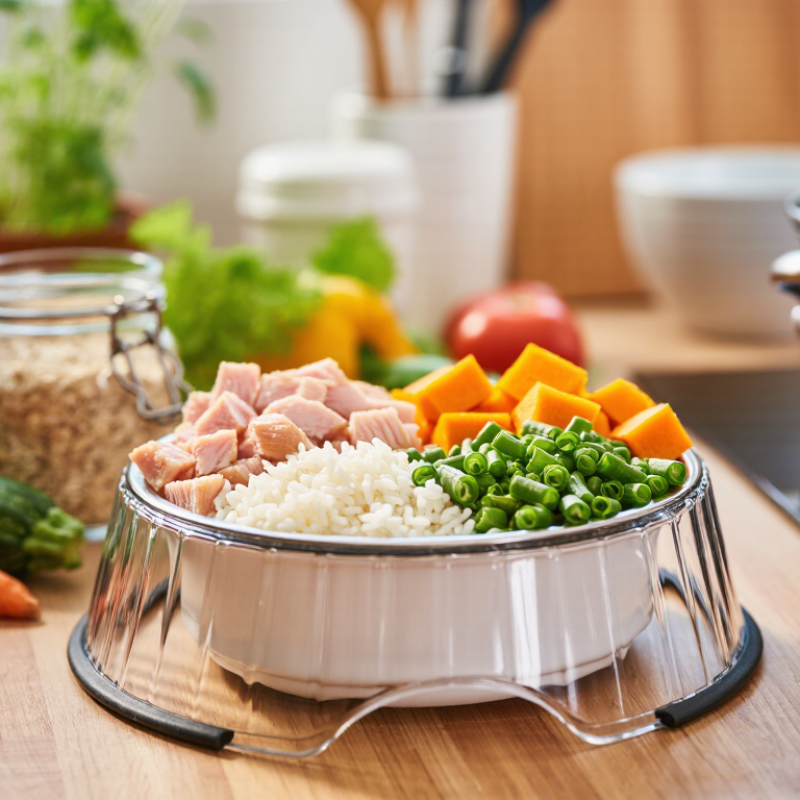
Homemade food can look wonderfully simple: lean turkey, cooked rice, pumpkin, or chopped green beans in a bright bowl. Yet appearance does not prove nutritional completeness. Veterinary nutritionist Dr. Lisa M. Freeman warns, “Home-prepared diets are not necessarily healthier than commercial diets.” Her guidance reflects a central concern in canine nutrition: recipes may lack calcium, essential fatty acids, iodine, or other nutrients.
Small mistakes matter.
The World Small Animal Veterinary Association recommends that homemade diets follow established nutritional standards and receive professional review. The American College of Veterinary Nutrition also emphasizes individualized advice, especially for puppies, senior dogs, pregnant dogs, and pets with medical conditions. These needs can change the safest ingredients and serving sizes.
This guide presents 10 Dog Recipes designed around sensible ingredients and clearer preparation steps. It also encourages readers to question attractive shortcuts. Chicken and rice may soothe a stomach temporarily, but it is not a complete long-term diet. Even healthy ingredients can become unsuitable when portions, cooking methods, or supplements are wrong.
Use these recipes as informed starting points, not universal prescriptions. A veterinarian can review your dog’s age, weight, activity, allergies, and health history. That extra conversation may feel inconvenient. It may also prevent an avoidable nutritional problem.
Healthy homemade dog food starts with nutritional standards, not attractive ingredients. AAFCO nutrient profiles provide target levels for protein, fat, vitamins, and minerals. They differ by life stage, including growth, adult maintenance, and reproduction. A recipe that suits an adult dog may fail a puppy’s needs. That mistake is easy to make.
NRC energy guidance adds another important layer. Calorie needs depend on body weight, age, activity, neutering status, and health. A common starting estimate uses 70 times body weight in kilograms raised to the 0.75 power. Maintenance needs then require an individual adjustment. Watch body condition, stool quality, energy, and weekly weight changes. Numbers guide the bowl. The dog gives the final evidence.
For ten homemade recipes, each ingredient list should be checked against the selected AAFCO profile and NRC energy needs. Meat alone is not balanced. Calcium, essential fatty acids, iodine, copper, zinc, and several vitamins may need careful calculation. A veterinary nutrition professional can assess the full recipe, especially for puppies or dogs with medical conditions. I would not rely on color, smell, or online popularity. Even a recipe that looks wholesome can miss a small but important nutrient. Portion sizes also need kitchen-scale measurements, because “one cup” can vary greatly between foods. Mistakes happen. Recheck the recipe when your dog’s weight, activity, or life stage changes.

Homemade dog food can look wholesome, but ingredient safety requires more than fresh meat and vegetables. The FDA advises owners to prevent contamination, avoid toxic ingredients, and discuss major diet changes with a veterinarian. Onions, garlic, grapes, raisins, chocolate, xylitol, cooked bones, and heavily seasoned foods can create serious risks. A small bowl may still contain a dangerous amount.
Nutritional balance is the harder problem. A 2013 report in the Journal of the American Veterinary Medical Association analyzed 200 homemade dog-food recipes. Researchers found that 95% lacked at least one essential nutrient, while 83.5% had multiple deficiencies. That number is difficult to ignore. WSAVA nutrition principles recommend evaluating the complete diet, not isolated ingredients, and consulting a qualified veterinary nutrition professional when formulating meals. Calcium, copper, iodine, zinc, vitamin D, and essential fatty acids are easy to misjudge. Meat-heavy recipes often look convincing. They may still weaken bones or impair organ function over time. Measurement matters. So does cooking temperature, especially for poultry and eggs. I would not trust a recipe that uses “a pinch” for supplements. That sounds practical, but it is not precise enough for daily feeding. A safer approach uses weighed ingredients, verified nutrient calculations, gradual transitions, clean preparation surfaces, and regular health monitoring. Even careful owners can miss one nutrient.
| No. | Recipe | Core Ingredients | Preparation | Useful Nutrient Contributions | Safety and Feeding Notes |
|---|---|---|---|---|---|
| 1 | Turkey, Rice and Pumpkin Bowl | Lean cooked turkey, fully cooked white rice, plain pumpkin purée, chopped green beans, and a measured veterinary-formulated nutrient mix when required. | Cook turkey thoroughly, prepare rice, steam vegetables, then cool and combine without seasoning. | Provides digestible protein, carbohydrate, fiber, and moisture. Pumpkin contributes soluble fiber. | Do not add onion, garlic, butter, gravy, or high-sodium stock. Turkey must reach 165°F/74°C internally. |
| 2 | Chicken, Oat and Carrot Meal | Skinless chicken, cooked oats, carrots, zucchini, and a balanced canine vitamin-mineral formulation prescribed for the dog. | Poach or bake chicken, cook oats in water, steam vegetables, remove all bones, and mix after cooling. | Chicken supplies protein; oats provide carbohydrate and fiber; carrots and zucchini add vegetables and moisture. | Avoid cooked bones and seasoned marinades. Chicken should reach 165°F/74°C. |
| 3 | Lean Beef, Barley and Green Bean Bowl | Lean ground beef, cooked barley, green beans, chopped spinach in a small amount, and a properly calculated nutrient supplement. | Brown beef thoroughly, drain excess fat, cook barley, lightly steam vegetables, and combine once cooled. | Supplies protein, iron, zinc, energy, and fiber; barley contributes slowly digested carbohydrate. | Ground beef should reach 160°F/71°C. Excess fat may cause digestive upset or contribute unnecessary calories. |
| 4 | Salmon, Potato and Pea Dinner | Fully cooked boneless salmon, plain cooked potato, peas, and a complete nutrient formulation suitable for the dog’s life stage. | Bake or steam salmon, inspect carefully for bones, cook potato and peas, then flake and combine. | Provides protein and marine omega-3 fatty acids; potato supplies carbohydrate and peas add fiber. | Salmon should reach 145°F/63°C. Never use raw fish, smoked fish, salted fish, or bones. |
| 5 | Egg, Quinoa and Vegetable Mix | Fully cooked eggs, cooked quinoa, chopped broccoli florets, carrots, and a veterinary-formulated calcium and micronutrient plan. | Cook eggs until firm, rinse and cook quinoa, steam vegetables until tender, and mix without salt or oil. | Eggs provide protein and fat; quinoa provides carbohydrate and some protein; vegetables add fiber and micronutrients. | Eggs should reach 160°F/71°C. Do not rely on eggshell or supplements for calcium without professional dosing. |
| 6 | Lamb, Sweet Potato and Courgette Bowl | Lean cooked lamb, plain sweet potato, courgette, and a complete nutrient supplement calculated for the individual dog. | Trim visible fat, cook lamb thoroughly, bake or steam sweet potato, lightly cook courgette, and combine. | Provides protein, energy, beta-carotene from sweet potato, and moisture-rich vegetables. | Lamb can be calorie-dense. Ground lamb should reach 160°F/71°C; do not feed cooked bones. |
| 7 | White Fish, Rice and Courgette Meal | Fully cooked boneless white fish, cooked rice, courgette, and a balanced canine vitamin-mineral formulation. | Steam or bake fish, check carefully for bones, cook rice, steam courgette, and mix after cooling. | Offers lean protein, digestible carbohydrate, and hydration-supporting moisture. | Fish should reach 145°F/63°C. Use low-mercury fish choices and avoid raw or salted fish. |
| 8 | Chicken, Lentil and Pumpkin Stew | Cooked chicken, thoroughly cooked lentils, pumpkin, carrots, and a professionally balanced nutrient supplement. | Cook chicken separately, simmer lentils until soft, steam carrots, combine with pumpkin, and cool before serving. | Provides protein, fiber, moisture, and carbohydrate; lentils can increase dietary fiber. | Introduce gradually because legumes may cause gas or loose stools. Avoid onion, garlic, and heavily seasoned broth. |
| 9 | Turkey, Quinoa and Spinach Plate | Lean turkey, cooked quinoa, a small amount of finely chopped spinach, carrots, and a life-stage-specific nutrient formulation. | Cook turkey completely, rinse and cook quinoa, lightly steam vegetables, and combine without seasoning. | Provides protein, carbohydrate, fiber, and moisture; quinoa contributes additional plant protein. | Use spinach sparingly. Turkey should reach 165°F/74°C; remove skin and visible fat to reduce calories. |
| 10 | Beef, Brown Rice and Pumpkin Bowl | Lean beef, cooked brown rice, pumpkin, green beans, and a complete vitamin-mineral supplement formulated for the dog. | Cook beef thoroughly and drain excess fat, prepare rice, steam green beans, add pumpkin, and cool before portioning. | Supplies protein, iron, zinc, carbohydrate, and fiber; pumpkin may support stool consistency for some dogs. | Ground beef should reach 160°F/71°C. Stop and seek veterinary advice for persistent vomiting, diarrhea, or intolerance. |
A healthy homemade menu must match a dog’s age, size, activity, and medical needs. Puppies need concentrated energy and carefully measured calcium for growing bones. Adults need steady protein, digestible carbohydrates, and controlled fat. Seniors may benefit from moderate calories, softer textures, and omega-3 sources. The National Research Council’s Nutrient Requirements of Dogs and Cats stresses precise nutrient targets, not attractive ingredient lists.
Here are ten practical meal ideas: turkey, rice, and pumpkin for puppies; chicken, oats, and green beans for puppies; beef, barley, and carrots for active adults; salmon, quinoa, and zucchini for adults; turkey, sweet potato, and peas for weight control; rabbit, rice, and spinach for sensitive stomachs; chicken, pumpkin, and oats for older dogs; lean beef, barley, and broccoli for senior muscle support; white fish, potato, and carrots for seniors; and egg, turkey, and brown rice for mixed-age households. Meat should be cooked thoroughly, and portions should be weighed.
Ingredient variety helps, but it does not guarantee balance. A 2013 Journal of the American Veterinary Medical Association study found that 95% of analyzed homemade dog diets lacked at least one essential nutrient. That finding deserves humility. I would not call any bowl complete without a veterinary nutritionist’s formulation and an appropriate mineral supplement. The World Small Animal Veterinary Association also recommends evaluating the whole diet, including treats and cooking changes. Recheck body weight, stool quality, and energy every few weeks. Some recipes will need adjustment.
Healthy homemade dog food depends on more than choosing lean meat and vegetables. Weigh ingredients after cooking, because water loss changes calorie density. Use a digital kitchen scale, not a cup estimate. The National Research Council’s Nutrient Requirements of Dogs and Cats (2006) shows that dogs need precise amounts of protein, fat, minerals, and vitamins. A recipe should therefore be reviewed by a veterinarian or veterinary nutritionist, especially for puppies, pregnant dogs, or animals with medical conditions.
Cook meat thoroughly, remove bones, and avoid seasoning. Chop vegetables into soft, bite-sized pieces. After cooling, divide the food into daily portions using the dog’s target calories. The WSAVA Global Nutrition Toolkit recommends monitoring body condition, weight, and appetite rather than trusting a fixed feeding chart. I recheck portions every week. Activity changes. Recipes can look balanced while missing key nutrients; a JAVMA study found that 95% of 200 homemade dog-food recipes lacked at least one essential nutrient (Larsen et al., 2013).
Store portions in shallow, sealed containers and refrigerate them promptly. Freeze extra servings with preparation dates written clearly. Follow food-safety guidance from the U.S. Food and Drug Administration, including refrigeration within two hours and clean handling surfaces. Discard food with unusual odor, slime, or mold. Keep a simple log of ingredients, cooked weight, portion size, and your dog’s weekly weight. It feels fussy, but guesswork is where errors begin.
Homemade dog food can look balanced while quietly missing essential nutrients. A Journal of the American Veterinary Medical Association analysis of 200 recipes found that 95% lacked at least one required nutrient. More than 80% had multiple deficiencies. That finding should shape every recipe in this collection.
A veterinarian should review the full recipe, especially for puppies, seniors, pregnant dogs, and pets with kidney or digestive disease. The review should check calories, protein, calcium, phosphorus, iodine, zinc, vitamin D, and essential fatty acids. Supplements may be necessary, but they must match the recipe precisely. More is not safer. A small measuring error can matter. Human supplements are not suitable substitutes.
Health monitoring makes the plan more reliable. Record your dog’s weight, stool quality, appetite, energy, and coat condition each week. The 2022 U.S. pet obesity survey estimated that 59% of dogs were overweight or obese, so portion control deserves equal attention. A veterinarian can reassess body condition every few months and request bloodwork when symptoms or medical history justify it. The process is not perfect. Recipes change, ingredients vary, and owners sometimes overlook tiny details. That is why written measurements, veterinary review, and honest monitoring matter more than attractive ingredients.