What Are the Top Chocolate Wrapping Machinery Types in 2026?
Choosing chocolate wrapping machinery in 2026 means matching the wrapper to the product, output target, and packaging material. A small praline and a long chocolate bar do not need the same wrapping method. The right fit protects appearance, supports consistent sealing, and keeps production moving.
Common machine types include twist wrappers for bite-size pieces, fold wrappers for premium chocolates, and flow wrappers for bars and countlines. Foil and paper systems can create a crisp, familiar finish, while automated feeding and changeover features help manage multiple product sizes. Some lines also use vision checks to spot misaligned or incomplete packs. Useful, but not magic.
A good comparison starts with real production details: piece dimensions, desired speed, film or foil specifications, and available floor space. Ask suppliers to demonstrate the machine using your actual chocolate and packaging. Check how operators load materials, clear jams, and clean product-contact areas. These practical details matter as much as a headline speed.
There are trade-offs. A faster machine may require more setup time, and delicate shapes can need gentle handling. No wrapper fits every line. Reliable specifications, service access, and spare-part availability deserve close attention before purchase. This guide explores the top chocolate wrapping machinery types for 2026, explaining where each design works well, what to verify, and which questions help buyers make a sound decision. One detail often overlooked: test during a normal production shift, not only in a showroom.
How Chocolate Wrapping Machinery Fits Into a Packaging Line
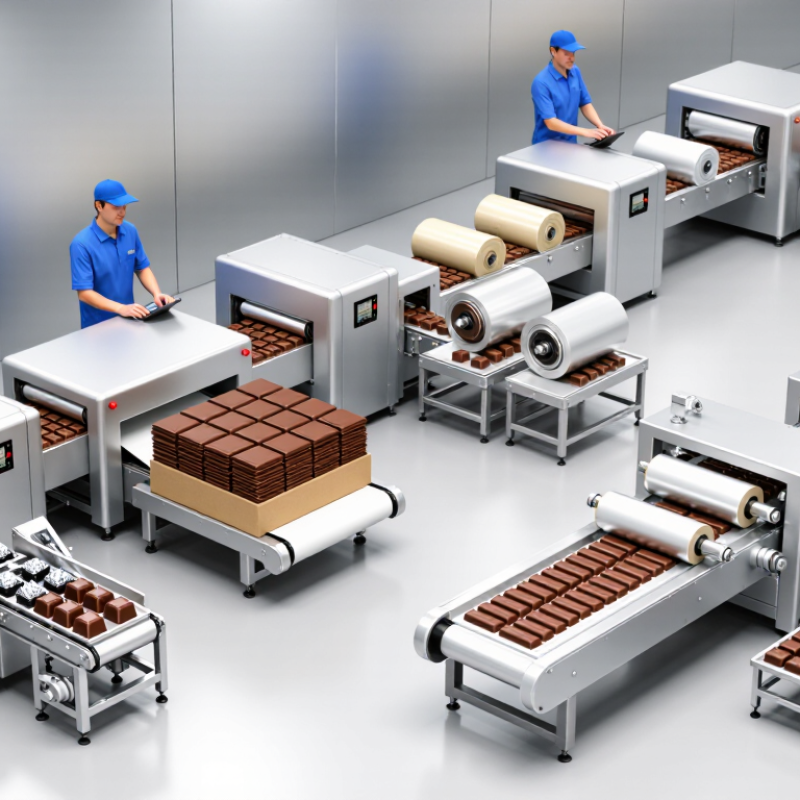
Chocolate wrapping machinery works best as part of a coordinated packaging line, not as a standalone purchase. A flow wrapper may handle bars at speed, while a fold-wrapping machine suits products that need a neat, traditional finish. Either type depends on steady product spacing. A small gap matters.
Upstream, cooling and inspection equipment should deliver firm, consistently shaped pieces to the infeed. Guides and timing belts then align each chocolate before it enters the wrapping station. If pieces arrive warm or uneven, film can wrinkle, seals may weaken, and jams become more likely. Operators should check temperature, spacing, and wrapper settings during normal production, not only after a stoppage.
Downstream equipment completes the line. Checkweighers, date coders, and case packers need enough room and suitable speeds to keep pace with the wrapper. Sensors can detect missing products or film breaks, but they cannot fix poor setup. Changeovers also deserve attention: different bar sizes may require adjusted guides, film tension, and sealing temperatures. These adjustments take time. In practice, the line may run slower than its rated maximum when product shape varies or operators are learning a new format. A short trial with real chocolates can reveal those limits before full production begins.
Flow-Wrapping Machines for Bars, Tablets, and Multipacks
For chocolate bars and tablets, horizontal flow-wrapping machines are a common choice in 2026. They feed products through a forming box, wrap film around each piece, and seal the package along its length and ends. The format suits consistent shapes and supports high-speed production. Small details matter. A slightly misaligned bar can wrinkle film or weaken an end seal, especially when product dimensions vary.
Servo-driven models allow operators to adjust film feed and sealing timing for different product sizes. That flexibility helps when a line switches between slim tablets and thicker bars. Temperature control also matters: chocolate can soften near warm sealing jaws, while insufficient heat may leave seals weak. Not always. Film choice, room conditions, and product shape all affect the result, so a machine setting that works on one shift may need adjustment on another.
Multipacks add a separate challenge. Products must be counted and grouped before wrapping, often with collating belts or robotic pick-and-place equipment feeding the flow wrapper. Check that the infeed handles small gaps without tipping bars, and that changeovers are practical for the team. A line trial using actual products and packaging film can reveal jams, scuffed surfaces, or loose bundles before routine production begins. No single configuration fits every factory; throughput targets, pack style, and available floor space should guide the selection.
Foil-Folding and Twist-Wrapping Machines for Individual Pieces
Foil-folding machines suit flat-bottomed or pillow-shaped chocolate pieces that need a close, tidy finish. A feeder places each piece on a measured sheet of foil, then folding stations wrap the material around its edges. The result depends on more than machine speed: foil thickness, piece temperature, and consistent dimensions all affect the fold. Small details matter. A slightly warm chocolate may soften at the edges, while a short or misaligned sheet can expose the product. Operators should check seal quality and wrapper position during production, not only at startup.
Twist-wrapping machines are often used for small, individually portioned pieces with shapes that allow the wrapper ends to be twisted securely. Rotating heads gather the foil or suitable flexible wrap at both ends, creating a familiar, easy-to-handle pack. Feeding is critical; uneven spacing can cause jams or loose twists. Not every piece behaves. Irregular shapes may need gentler handling or a different wrapping format, and high speed can make small defects harder to notice. In practice, the best choice depends on the chocolate’s shape, the desired appearance, and how quickly staff can inspect samples and adjust the line. A setting that works in the morning may need attention as room conditions change.
What Are the Top Chocolate Wrapping Machinery Types in 2026? - Foil-Folding and Twist-Wrapping Machines for Individual Pieces
| Machine type | Wrapping method | Typical chocolate products | Common packaging materials | Practical strengths and considerations |
| Foil-folding machine | Folds a pre-cut wrapper around each piece; the machine forms and secures folds to fit the product shape. | Individual pralines, filled chocolates, truffles, and other shaped pieces. | Aluminium foil and suitable paper-foil or other foldable laminate wrappers. | Creates a close-fitting, traditional presentation. Wrapper dimensions and folding settings need to match the product; intricate shapes may require careful changeover and adjustment. |
| Twist-wrapping machine | Wraps a piece with film or paper and twists the wrapper at one or both ends. | Small, individually wrapped chocolates, toffees, and bite-size confectionery. | Twist-retentive cellophane, paper, or suitable twist-wrap film. | Provides a recognizable individual-piece format without conventional end-seal jaws. The wrapper must hold its twist, and product shape and size should be consistent for reliable wrapping. |
| Horizontal flow-wrapper | Forms a continuous film tube around the product, then makes a longitudinal fin or lap seal and seals the ends. | Chocolate bars, wafers, and regularly shaped individual pieces. | Heat-sealable flexible films, selected according to the product and required package properties. | Suited to repeatable, continuous packaging of regularly shaped products. Film sealing performance, product feeding, and package size determine the appropriate setup. |
| Cold-seal flow-wrapper | Forms a flow-wrap pack and bonds a pressure-sensitive cold-seal coating to itself rather than using heat at the seal. | Heat-sensitive chocolate bars and products that benefit from reduced sealing heat. | Cold-seal-coated flexible packaging film. | Avoids applying heat to the package seals, which can be useful for temperature-sensitive products. It requires compatible coated film and correct pressure and web handling. |
| Banding machine | Applies a narrow paper or film band around a product or bundle, securing the band with an overlap seal. | Chocolate bars, boxed assortments, and grouped products where a band is part of the presentation or pack. | Paper bands or compatible flexible-film bands. | Uses a band rather than fully enclosing the product, so it may suit secondary packaging or a minimal-wrap presentation. It does not provide the same full enclosure as a flow-wrap pack. |
Machine suitability depends on product dimensions, shape, wrapper material, desired package style, and required production rate. Actual capabilities vary by machine configuration.
How to Match Wrapping Machinery to Chocolate and Production Needs
In 2026, choose wrapping machinery by product and production needs, not novelty. Flat bars, pralines, and molded figures place different demands on a wrapper. Flow wrapping suits many bars and supports steady output; fold wrapping gives small pieces a neat, close-fitting finish. Twist wrapping can work for firm, individually shaped chocolates, but pressure may deform soft centers. Check that the machine handles your chosen foil, paper, or laminate and forms reliable seals. Packaging should protect aroma and resist scuffing during handling. Looks simple. It isn’t.
Match machine speed to real demand, not a brochure’s peak figure. A small line may gain more from quick format changes than maximum cycles per minute. Test actual chocolates, including the warmest or most delicate pieces your process produces. Watch for cracked shells, shifted fillings, loose folds, and chocolate marks on sealing areas. These details often reveal a poor match before installation. Also check cleaning access, changeover time, operator training, and space around the line. Keep some allowance for seasonal peaks, but avoid buying capacity that will sit idle. One honest limitation: sample tests cannot capture every production-day variation, so leave room to adjust settings after installation.
Chocolate Wrapping Machinery: Best Fit by Product Type
Ratings are a qualitative guide to format compatibility, not measured performance: 1 means limited fit and 5 means strong fit. Actual selection depends on product shape, wrapper material, required pack style, and line speed.
