7 Tips for Buying Powder Apple Cider Vinegar
Powder Apple Cider Vinegar can look simple on a label: a scoop, a capsule, or a flavored drink mix. Yet products may differ in serving size, added ingredients, acidity, and testing. Choosing well takes more than comparing prices. Look closely.
Industry reports can provide context, but their categories matter. Grand View Research’s Apple Cider Vinegar Market report examines the broader vinegar market; it does not prove that powdered products have the same composition or effects as liquid vinegar. The U.S. National Institutes of Health Office of Dietary Supplements also advises consumers to assess supplement claims carefully and review ingredients and quality information. A market forecast is not a health finding. Neither is a polished package.
Harvard Health physician-editor Robert H. Shmerling, MD, has discussed the limited evidence behind apple cider vinegar health claims. A fair paraphrase of his caution is: “Evidence for ACV health claims remains limited.” That distinction matters when a powder’s marketing promises more than its label can verify. In this guide, we’ll examine seven practical checks, including ingredient transparency, serving details, independent testing, and realistic claims. Compare certificates and batch information where available, and ask the manufacturer questions if details are missing. I would not treat a glossy label as proof. Even careful shopping has limits: product testing and research specific to powder forms may not answer every question. The goal is a more informed purchase, not a guaranteed result.
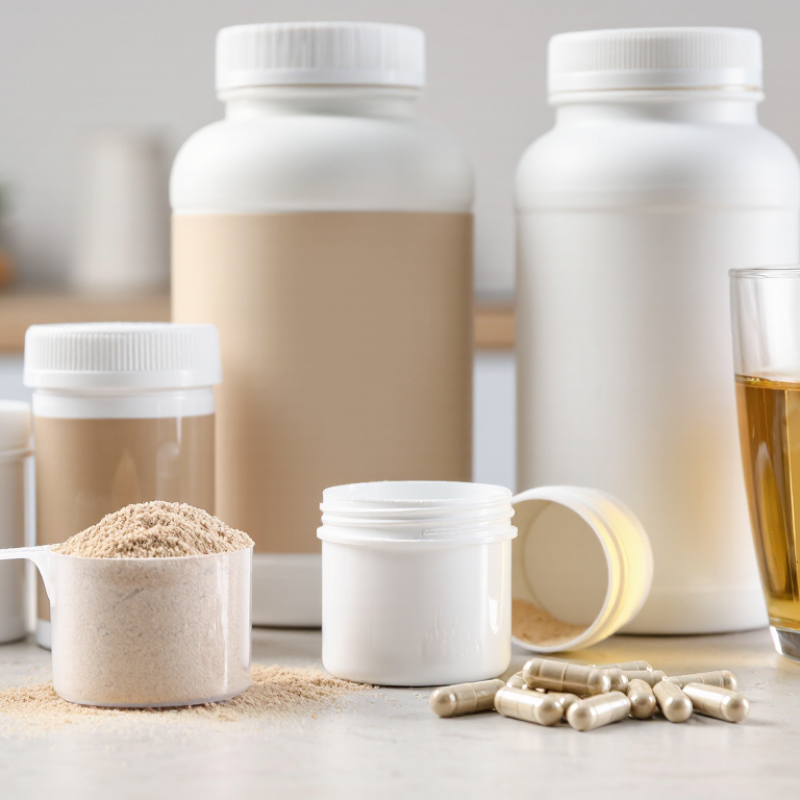
Define Your Intended Use and Preferred Powder Format
Decide how you plan to use apple cider vinegar powder before comparing packages. For smoothies or water, choose a fine powder that dissolves easily and has a clearly stated serving size. For sauces, dressings, or baking, an unflavored option may be easier to measure without changing the recipe’s taste. Think about where you will use it. A scoop beside the blender calls for a different format than a small jar kept in a desk drawer.
Tip: Check the ingredient list. Some powders include sweeteners, flavorings, or carriers that affect taste and texture. If you want more control, look for a simple ingredient list and compare the amount of powder per serving. Keep it simple. A large pouch may seem economical, but it is less useful if moisture makes the powder clump before you finish it.
Consider how you will store and measure the product, too. Resealable packaging can help keep powder dry, while single-serve sachets are convenient for travel but create more packaging waste. Read the label for storage instructions and batch or quality-testing information. These details do not prove a product will suit every person, but they make comparisons more reliable. I’d also pause before assuming that “more concentrated” means a better fit; the serving directions and intended use matter more. If the texture or taste seems unpleasant in one drink, try a small amount in a recipe before deciding the format does not work for you.
7 Tips for Buying Powder Apple Cider Vinegar: Match the Format to Your Intended Use
How to use this chart: Choose bulk powder if you want to adjust serving size and mix it into foods or drinks. Sachets offer pre-portioned powder that can also be mixed. Capsules are pre-portioned but are not designed to be mixed directly into food or drinks. Product details can vary, so check the label.
Check the Ingredients, Acidity, and Serving Size
When comparing powder apple cider vinegar, read the full ingredient list, not just the large words on the front. Look for apple cider vinegar powder and note any carriers, sweeteners, flavors, or added acids. Plain is not automatically better. It may simply suit someone who wants fewer extras. If a label lists several forms of vinegar or a proprietary blend, check whether it explains the amount of each ingredient. Also review allergen statements and serving directions, especially if you mix the powder into a drink or recipe.
Acidity deserves a careful look. A powder’s stated acidity may not match the acidity of liquid vinegar, so don’t assume the two are interchangeable. Look for a stated acetic acid amount per serving, if provided, and contact the manufacturer if the wording is unclear. Serving sizes can be listed in grams, scoops, or teaspoons; these measures are not always equivalent. Compare the actual serving weight, not just the number of servings in the container. A small scoop can look generous. Check whether the label advises taking the powder with food or plenty of water, and follow its directions. If you have a health condition or take medication, ask a qualified clinician before making it a regular part of your routine.
Assess Sourcing, Processing, and Quality Standards
Tip 1: Trace the apple source. Look for a stated growing region and a clear description of the vinegar base. “Made with apple cider vinegar” alone leaves important details unclear. Ask whether the powder comes from fermented vinegar or a flavoring blend. Details matter. A transparent supplier should explain its sourcing without relying on broad wellness claims.
Tip 2: Check how the liquid becomes powder. Drying methods can affect the finished ingredient, and carriers such as maltodextrin may be included to help it flow. These should appear clearly on the ingredient list. Compare the vinegar powder amount with the serving size, not just the front-label wording. This is not always easy to judge. A tidy label can still omit useful processing details.
Tip 3: Look for evidence of quality checks. A recent certificate of analysis for the specific lot is more useful than a generic quality statement. It should identify the ingredient and report relevant tests, such as microbial limits, heavy metals, and moisture. If acidity or acetic acid content is advertised, check whether that value is measured and defined. Powder can clump in humid air, so inspect the seal and storage directions. I would not treat a low price or bright-white powder as proof of quality.
Compare Packaging, Shelf Life, and Cost per Serving
When comparing powdered apple cider vinegar, look beyond the container’s appearance. A resealable pouch takes less cupboard space, while a sturdy jar may be easier to scoop from. Either way, check that the seal is intact and the opening can close tightly. Moisture can make powders clump. Small details matter.
Shelf life depends on the product’s label and storage conditions, so check the best-by date before buying. Choose a package you can reasonably finish within that period. A large tub may seem convenient, but it is less appealing if it sits open for months. Follow the storage instructions, and keep the powder dry. I sometimes overlook how often a container will be opened; that can matter more than its size.
To compare cost per serving, divide the price by the number of servings listed on the label. Then check that serving sizes are comparable. One product may count a small scoop, while another lists a larger amount. A low price can mislead. I find this calculation a little tedious, but it makes comparisons fairer. Also account for shipping or discounts if they change what you actually pay. Don’t assume the biggest package is automatically the best value.
Review Safety Guidance and Seller Reliability
Before buying powder apple cider vinegar, treat it as a supplement, not a harmless pantry spice. The FDA does not approve dietary supplements for safety or effectiveness before sale; manufacturers are responsible for quality. The Council for Responsible Nutrition’s 2023 Consumer Survey reported that 74% of U.S. adults use supplements. That reach makes careful screening worthwhile, but popularity is not proof of safety. Check serving size, stated acetic-acid content, added sweeteners, and cautions. If the acid amount is missing, comparisons become guesswork. That matters.
Ask the seller for a batch-specific certificate of analysis from an independent laboratory. It should match the lot number on your package and report identity, microbial, and heavy-metal testing. A generic certificate proves little. Third-party verification against recognized standards, such as USP or NSF requirements, can offer added quality checks, but it does not prove health benefits. Check that the seller lists a real contact method, clear storage directions, and a practical return policy. A sealed pouch should have a legible lot code and expiry date. If you take glucose-lowering medicines, diuretics, or have swallowing problems, ask a clinician before use; acidity and variable formulations deserve caution. I would not rely on “natural” claims alone.
