
Beverage Matcha Powder may look much the same from one pouch to another, but its flavor, freshness, and intended use can differ. For a creamy latte, a fine texture and lively green color are appealing. They are not proof of quality by themselves. A thoughtful purchase starts with practical checks: the product label, ingredient list, packing date, and storage instructions. Small details count.
Consider whether the powder is made for drinking or mainly for baking. Check for clear information about its origin and processing, when available, and look for packaging that limits exposure to light and moisture. A trustworthy seller should describe the product plainly rather than rely on vague claims. That helps, but it cannot tell you exactly how a cup will taste. Matcha can be grassy, mild, or pleasantly bitter, and personal preference matters.
Price deserves a closer look, too. Compare the cost per serving instead of judging a pouch by its shelf price alone. If a seller offers a small size, it can be a sensible way to test aroma, color, and how smoothly the powder blends. Be cautious of dramatic promises or unusually low prices without useful product details. Even careful buyers can miss something; a bright label is not a substitute for evidence. The seven tips ahead offer a grounded way to compare options, ask better questions, and choose Beverage Matcha Powder that suits your drink routine.
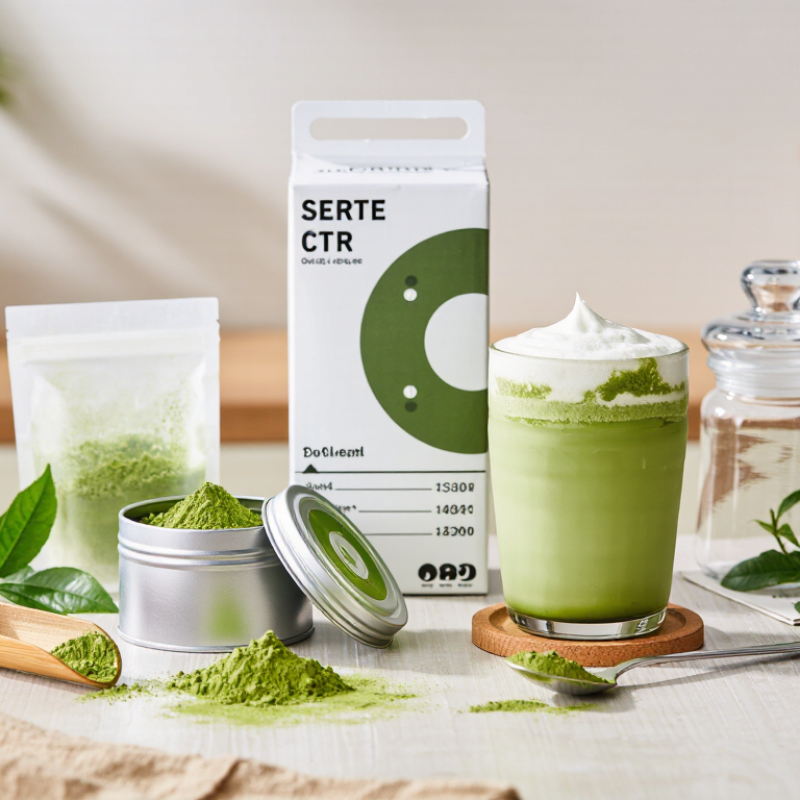
Before buying beverage matcha powder, decide how you will prepare it most often.
For a whisked drink with water, choose a flavor you enjoy without milk or sweetener. A smooth, gently sweet profile may suit this method. If you make lattes, consider how the matcha tastes with milk: a fuller, grassy flavor can remain noticeable through the creaminess. Taste it plain. For smoothies or baking, color and price may matter more than delicate aromas, since other ingredients can easily dominate.
Flavor descriptions are useful clues, not guarantees. Terms such as “sweet,” “nutty,” or “bold” can vary between sellers, and labels are not always standardized. Check the ingredient list for pure matcha, then try a small amount before buying a large pouch.
Whisk half a teaspoon with warm, not boiling, water and notice the aroma, bitterness, and finish. Small test, big difference.
I would also compare it in your usual drink, because a powder that tastes pleasant alone may disappear in a latte. If you dislike sharp bitterness, look for a gentler profile and prepare a smaller serving first.
Preferences change, too; I still find that a new milk or water temperature can shift the flavor more than expected.
Check the stated origin, not just “Japanese-style” wording. Japan’s Ministry of Agriculture, Forestry and Fisheries reported 7,579 tonnes of green-tea exports in 2023; that figure covers green tea broadly, not matcha alone. Ask for the growing region and harvest year, and treat vague sourcing as a reason to ask more. A region name helps, but it does not prove quality by itself.
Harvest timing matters. In Japan, the first flush is generally picked in spring, though timing varies by region and weather. For shaded tea, ask how long the leaves were shaded before harvest; around three to four weeks is common, but practices differ. Processing matters, too: matcha is made from tencha, which is dried and deveined before fine milling. Look for clear details on milling and storage. Air, light, heat, and moisture can dull aroma and color.
Tips: Request the origin, harvest season, and processing method in writing. Check for a packed-on date and a sealed, light-protective package. Once opened, note whether the powder smells fresh and grassy or flat and stale. I wouldn’t judge by color alone; lighting can mislead, and some honest details are easy to overlook. Compare the seller’s claims with Japan MAFF’s annual tea statistics, but remember those figures do not certify an individual lot.
When choosing matcha for drinks, inspect the powder in natural light. A lively green color can suggest careful processing and freshness, but color alone proves little. Lighting, storage, and harvest conditions can all affect appearance. I have to remind myself not to judge a powder by its color alone.
Smell a small amount before buying, if a sample is available. Fresh matcha often has a clean, grassy aroma, sometimes with gentle sweetness or a mild toasted note. A dull, hay-like, or musty smell may signal age or poor storage. Trust your nose, but keep expectations realistic: aroma can vary by origin and processing. It is not a perfect test.
The powder should feel fine and soft between clean, dry fingers. A fine texture usually blends more smoothly, though even good powder can clump after exposure to moisture. Check the ingredient list for matcha as the sole ingredient if you want unsweetened tea powder. Added sugar, milk powder, or flavorings may suit some drinks, but they change the taste and nutrition. Small detail, big difference. Choose sealed, opaque packaging when possible, and check the date and storage directions. No single check guarantees quality; tasting a small serving is still useful.
When buying beverage matcha, inspect the package before comparing price. Choose an opaque, tightly sealed pouch or tin; clear bags let light reach the fine green powder. Look for a packed-on or harvest date, a best-before date, and storage instructions. FAO’s 2022 agricultural statistics record roughly 6.5 million tonnes of tea produced worldwide, but that figure covers tea broadly, not matcha. It is a reminder that “green tea powder” alone does not tell you how recently a batch was milled or packed.
Tip: Check the seal and dates. Prefer smaller packs you can finish promptly, especially if you make matcha only occasionally. A long best-before window is not proof of peak flavor. Keep the powder away from sunlight, steam, and warm stoves; reseal it after each scoop. Moisture can cause clumps, while oxygen and light can dull color and aroma. One detail is easy to miss: a seller’s “fresh” claim means little without a clear date.
Tip: Compare storage guidance across sellers. Refrigeration may help after opening, but only if the container stays sealed and dry; condensation can spoil the powder’s texture. I’d also check whether the date refers to packing or an estimated expiry. That distinction is not always obvious, and it can be worth asking before buying.
Tip: Compare the full landed cost, not only the price per kilogram. Include freight, packaging, and any small-order fees in your calculation. A low quote can look convincing until those charges appear. Check whether the powder’s grade and color match your intended drinks. Otherwise, you may pay less for a product that performs differently in a latte.
Tip: Assess supplier reliability through clear, consistent details. Ask about harvest timing, storage conditions, batch identification, and expected lead times. Specific answers are more useful than broad quality claims. Check whether documents and product descriptions agree. One missed detail is not proof of poor service, but repeated inconsistencies deserve attention. Keep written records of specifications and delivery promises.
Tip: Request a sample before committing to a large order. Test it in the drink you actually plan to serve, using your usual water temperature and whisk or mixer. Note its aroma, color, bitterness, and how easily it blends. A small sample may not represent every batch, so ask how samples relate to commercial stock. It is easy to overvalue a vivid green cup; taste and repeatability matter too.