How to Choose the Best Cat Food for Your Feline Friend?
Choosing the right cat food can be overwhelming. With so many options available, how do you know what is best for your feline friend? According to Dr. Emily S. Carter, a leading veterinarian and feline nutrition expert, "The right cat food provides essential nutrients for a healthy and happy cat." Understanding your cat's unique needs is the first step.
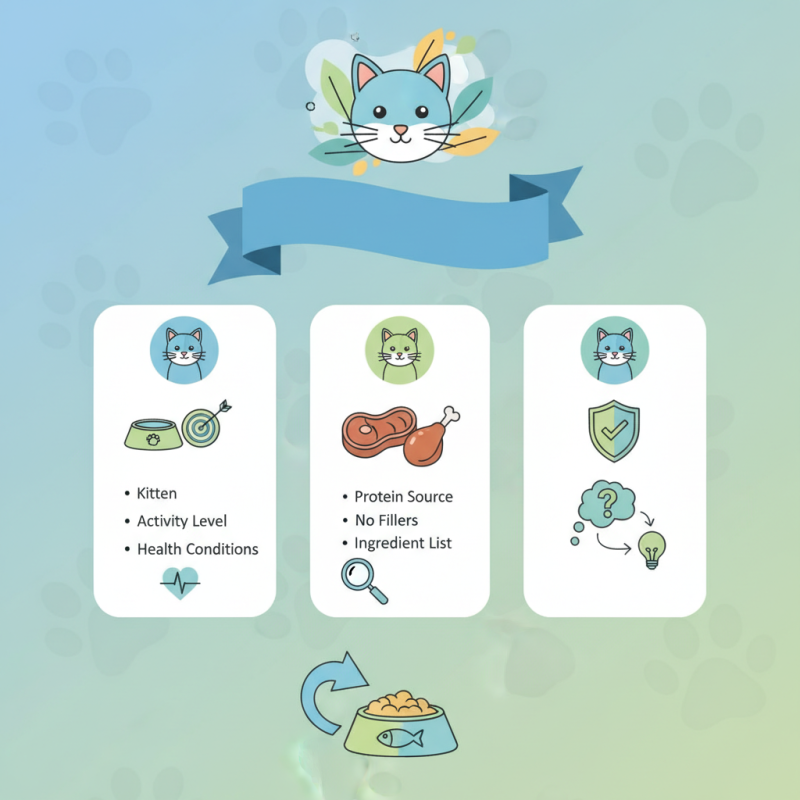
It's crucial to consider factors like age, activity level, and health conditions. Each cat is different. A senior cat may require special formulations. A playful kitten will need a different balance of nutrients. Sometimes, owners overlook these details, leading to dietary issues. Be mindful—what works for one cat may not work for another.
Cats are obligate carnivores, meaning their diet should be primarily meat-based. High-quality protein should be a priority. Many store brands mix fillers that don’t benefit your pet. Look for transparent ingredient lists. It's essential to read labels carefully. You might discover some brands market themselves well but lack nutrition. Make informed choices to ensure your cat thrives.
Understanding Your Cat's Nutritional Needs
Understanding your cat's nutritional needs is crucial for their wellbeing. Cats are obligate carnivores, requiring specific nutrients found primarily in animal products. Protein is essential. It helps them maintain muscle mass and a healthy weight. A diet low in protein may lead to lethargy or obesity.
Cats also need certain fats in their diet. Fat provides energy and aids in absorbing essential vitamins. Omega-3 and Omega-6 fatty acids support skin and coat health. Incorporating these fats can make a noticeable difference. However, be cautious of overfeeding. Too much fat can lead to weight gain.
Don't overlook the importance of hydration. Cats often prefer wet food for moisture. Not all cats drink enough water, leading to urinary issues. Even with dry food, ensure fresh water is always available. Monitoring your cat's health is crucial. Sometimes, they may not show clear signs of discomfort. Regular vet visits can help you keep tabs on their overall nutritional health. It can be challenging to find the right balance in their diet, so be open to adjustments.
Types of Cat Food: Dry, Wet, and Raw Options
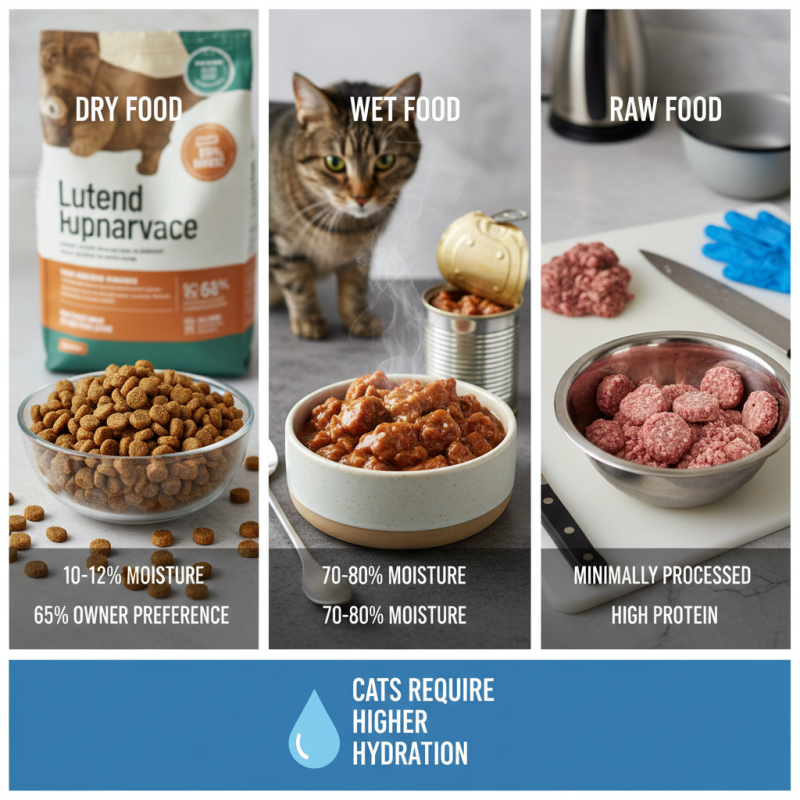
When selecting the best cat food, it’s essential to consider the main types: dry, wet, and raw food. Dry cat food, or kibble, is convenient and has a long shelf life. It contains around 10% to 12% moisture, which is lower than wet food. According to a 2022 industry report, 65% of cat owners prefer dry food for its ease of measurement and storage. However, many experts warn that cats require a higher hydration level.
Wet cat food offers more moisture, typically containing 70% to 80% water. This makes it a good choice for cats prone to urinary issues. A survey found that 55% of pet nutritionists recommend wet food for its palatability and health benefits. Many cats enjoy the taste, but wet food can spoil quickly.
Raw food diets are growing in popularity, but they spark debate. Proponents argue that it mimics a cat’s natural diet. However, concerns about bacterial contamination exist. The Pet Food Manufacturers Association states that only 15% of cat owners choose raw diets. Each option has its pros and cons, making it essential to evaluate your cat’s health needs and lifestyle.
Reading and Interpreting Cat Food Labels
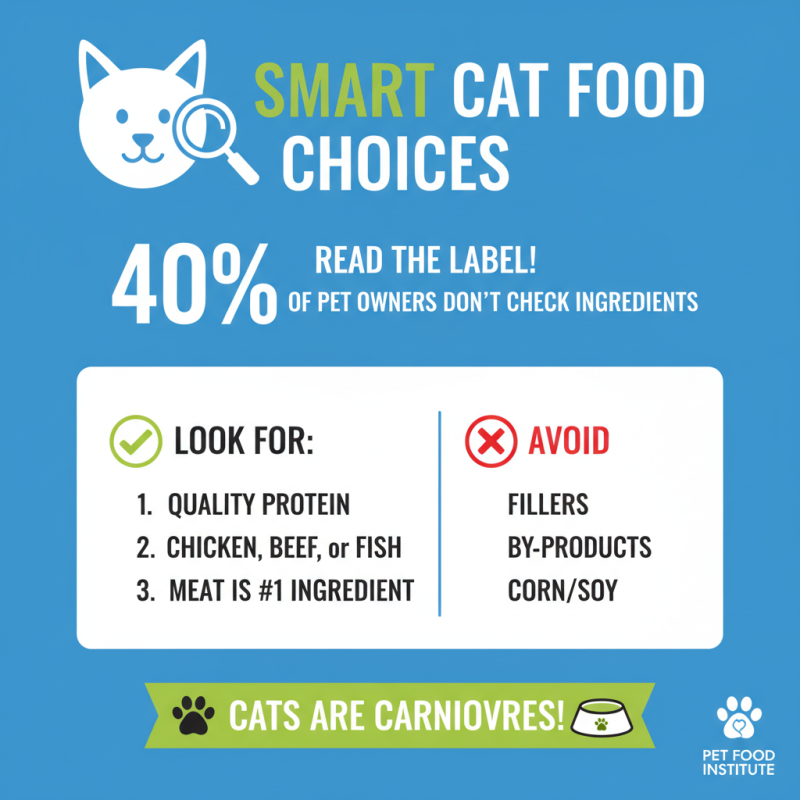
When choosing cat food, reading the labels is essential. Many pet owners overlook this. A study from the Pet Food Institute shows that over 40% of buyers do not check ingredient lists. This can lead to poor dietary choices for their cats. The first ingredient should ideally be a quality source of protein. Look for words like "chicken," "beef," or "fish" at the top of the list. Cats are obligate carnivores, meaning they thrive on meat.
Another important aspect is the presence of commonly misunderstood terms. Terms like "natural" or "premium" can be misleading. The Association of American Feed Control Officials notes that these terms do not guarantee high-quality ingredients. Instead, focus on nutritional information. Look for key nutrients such as taurine and omega fatty acids. A cat’s food must support its overall health, digestive system, and coat quality.
Some labels boast high protein content yet contain fillers like corn or soy. These ingredients may mislead owners who want the best for their pets. Additionally, analyze the guaranteed analysis panel. It provides essential nutritional percentages. Beware of vague claims that can confuse cat owners. Consider your cat’s unique needs. Age, activity level, and health status should influence your food choice.
Choosing Food Based on Life Stage and Health Conditions
Choosing the right cat food is crucial. Your cat's life stage and health conditions play a significant role. Kittens need high-protein diets for growth. Their food should be rich in nutrients. Look for specific ingredients that support their development. Adult cats require balanced meals. They need less fat as they become more sedentary.
Senior cats often face health challenges. Their diets should be low in calories but high in fiber. Older felines benefit from softer food due to dental issues. Consider specialized formulas designed for senior cats. Consulting with a veterinarian is essential, especially for any existing health conditions.
Cats with specific health concerns require tailored nutrition. For example, cats with urinary issues need particular minerals. Those with allergies may require grain-free options. Choosing based on these factors can be overwhelming. It can sometimes feel like a guessing game. Observing your cat's reactions to their food is crucial. Adjustments may be necessary as their needs change. Always prioritize your feline friend's health and comfort when selecting food.
How to Choose the Best Cat Food for Your Feline Friend? - Choosing Food Based on Life Stage and Health Conditions
| Life Stage |
Health Condition |
Food Type |
Key Ingredients |
Nutritional Focus |
| Kitten |
None |
Dry Food |
Chicken, Fish Meal, DHA |
Growth and Development |
| Adult |
Weight Management |
Wet Food |
Turkey, Peas, Brown Rice |
Weight Control |
| Senior |
Kidney Health |
Specialty Dry Food |
Salmon, Barley, Omega Fatty Acids |
Kidney Support |
| Adult |
Sensitive Stomach |
Grain-Free Dry Food |
Lamb, Sweet Potatoes, Peas |
Digestive Health |
| Kitten |
Allergies |
Limited Ingredient Diet |
Duck, Potato, Peas |
Allergy Management |
Brand Reputation and Ingredient Quality Considerations
When choosing cat food, brand reputation plays a crucial role. Studies show that 75% of pet owners consider a brand’s reputation before purchasing. A brand known for quality often reflects superior ingredient sourcing. This connection can impact your cat’s health significantly. Reports indicate that foods made with high-quality protein sources enhance feline well-being.
Ingredient quality is just as vital. Look for real meat at the top of the ingredient list. Avoid fillers like corn and soy that serve little nutritional value. Research reveals that 30% of pet foods contain low-quality ingredients. It’s alarming how these ingredients can lead to health issues over time. While many brands promise great nutrition, the actual composition can be misleading. Transparency from the manufacturers is essential to make informed choices.
Sometimes, seemingly good brands may lack in honest marketing. Check for third-party testing to ensure quality. Reading customer reviews can highlight issues you might overlook. Just because a food is marketed well doesn’t mean it’s the best choice. Make the effort to research. Your feline friend deserves it.