How to Buy Ursolic Acid Powder in Bulk

Buying Ursolic Acid Powder in bulk is not simply a price comparison. Buyers need to assess identity, assay, batch consistency, and documentation before requesting a large shipment. A low quotation can look attractive. It may also leave important questions unanswered.

A reliable supplier should provide a current certificate of analysis, test methods, specification limits, and a traceable batch number. Ask how the material is extracted, what carrier or processing aids are used, and whether the product’s stated ursolic acid content is supported by a suitable analytical method. Check sample color, odor, and powder flow, too; these details do not prove purity, but they can help flag differences between batches. Confirm packaging, storage conditions, lead times, and sample-to-production consistency in writing.

No source article or interview was provided, so I can’t responsibly attribute a direct quotation to a named industry expert. A useful buyer’s principle is: “Verify the batch before you scale the order.” It is plain advice, not a substitute for expert review. This guide will help you compare suppliers, request the right records, evaluate samples, and plan a bulk purchase with fewer surprises. Even a careful checklist has limits. Independent testing may still be warranted when specifications or results seem unclear.
How to Buy Ursolic Acid Powder in Bulk

Define Bulk Ursolic Acid Powder Requirements

How to Buy Ursolic Acid Powder in Bulk
Define Bulk Ursolic Acid Powder Requirements

Before requesting quotes, write a clear specification. State the intended use, required grade, target quantity, and acceptable ursolic acid assay range. Ask whether the assay is reported on an as-is or dry-weight basis. That detail can change how two offers compare. Specify test methods for identity and assay, plus limits for moisture, residual solvents, heavy metals, and microbial contamination. Request a recent, batch-specific certificate of analysis and confirm that an independent laboratory can verify key results. Grand View Research estimated the global dietary supplements market at USD 163.9 billion in 2022; that broad market figure signals demand, but it does not establish ursolic acid quality or supplier capability.

Set practical handling requirements too. Choose a particle-size range that suits your blending or formulation process, and define packaging, storage temperature, and shelf-life documentation. For example, a 25-kilogram order may arrive in lined drums; check that the inner liner protects the powder from moisture during transit. It is easy to over-specify. Still, leaving these details blank can make samples and production lots difficult to compare.

Tips: Request a representative sample and compare it with the same written specification used for the full order. Check lot number consistency, test dates, and report units. Keep a retained sample for later review. A polished certificate is useful, but the underlying methods and traceability matter more.

Identify and Evaluate Potential Suppliers

When sourcing ursolic acid powder in bulk, evaluate the supplier’s evidence, not just its quoted price. Request a current specification sheet and batch-specific certificate of analysis (COA). Check that the COA identifies the tested lot, assay result, test method, and date. Ask how identity and purity are verified, and whether independent laboratory testing is available. For botanical materials, request details on source material, extraction process, and traceability. Paperwork matters. Confirm testing covers relevant contaminants, such as residual solvents, heavy metals, and microbial limits. Methods and limits should be clearly stated, not implied.

A sample can reveal practical issues that documents miss, including clumping, odor, color variation, or poor flow. Compare it with the written specification, then ask how production lots are kept consistent. Discuss packaging, moisture protection, storage conditions, shelf life, minimum order quantity, and lead times before placing an order. Ask about retained-sample and complaint procedures, plus a contact who can explain deviations. Request specifics. A polished PDF is not proof by itself; treat gaps as reasons to pause, not accusations. One easy mistake is choosing the lowest quote before checking whether testing scope and delivery terms match. The supplier should answer technical questions plainly and provide documents linked to the exact lot delivered.

How to Buy Ursolic Acid Powder in Bulk - Identify and Evaluate Potential Suppliers

Evaluation Area Information to Request How to Evaluate the Supplier Suggested Weight
Product identity and specification Product name, botanical source, plant part, extraction or manufacturing description, assay method, and proposed specification. Check that the documentation identifies ursolic acid clearly and that the specification matches your intended application and applicable market requirements. Do not assume one assay level or specification is universal. 15%
Batch-specific Certificate of Analysis A recent COA for the offered lot, including test results, methods, specification limits, batch number, test date, and release status. Confirm that results are lot-specific, methods are identified, and the batch number matches the quotation or sample. Ask for clarification when a COA lists only typical values or omits methods. 15%
Identity, assay, and impurity testing Details of identity confirmation and assay testing, such as the analytical technique used, plus relevant impurity or contaminant test results. Review whether the methods are suitable for the stated specification. Define relevant limits for your product and destination market; request supporting laboratory reports where appropriate. 12%
Contaminant and microbiological controls Available testing for heavy metals, residual solvents, pesticides, microbiological quality, or other risks relevant to the source and intended use. Compare the supplier’s testing plan and results with your risk assessment and applicable regulations. Confirm which tests are performed on each lot and which are periodic. 10%
Quality management and traceability Quality-system overview, batch traceability process, deviation and complaint handling, change notification, and relevant audit or certification records. Verify the scope and validity of any certificates or audit records. Ask how raw materials and finished batches are linked and how material changes are communicated. 12%
Manufacturing and supply capability Manufacturing or sourcing role, available batch sizes, production lead time, current capacity, and continuity or contingency plans. Distinguish a manufacturer from a distributor and establish who controls testing and release. Check that quoted capacity and lead times fit your forecast and replenishment needs. 10%
Sample evaluation A representative sample with its batch reference, storage guidance, and matching COA or specification documents. Assess the sample against your own approved methods and application requirements. Confirm whether the sample is representative of the bulk lot being quoted. 8%
Packaging, storage, and shipping Packaging material and size, protection from moisture or light where relevant, storage conditions, shelf-life or retest information, and shipping options. Confirm that packaging and handling are suitable for the product and route. Request clear labeling, lot identification, and written storage and shelf-life information. 6%
Regulatory and document support Available safety data, origin information, product statements, and export or import documents relevant to the transaction. Check that documents are consistent with the product, intended use, and destination-country requirements. Have qualified regulatory personnel review claims and compliance needs. 5%
Commercial terms and total cost Price breaks, minimum order quantity, payment terms, quotation validity, Incoterms, freight, and any testing or documentation charges. Compare landed cost rather than unit price alone. Confirm what is included in the quote and whether pricing, lead time, and order terms are documented. 7%

Practical use: Score each supplier against the same requirements and weightings. Set product specifications, testing limits, and regulatory checks according to the intended application and destination market before placing a bulk order.

Verify Product Quality and Documentation

When buying ursolic acid powder in bulk, review the paperwork before comparing price or placing a large order. Request a lot-specific certificate of analysis, not a generic sample document. Check that the lot number matches the package label and that the report states the assay method, results, and test date. The specification should explain how purity is calculated. Small details matter.

Look for identity and purity testing, plus relevant checks for heavy metals, microbial contamination, and residual solvents. Ask which methods were used and whether testing was performed by an independent laboratory. Request a safety data sheet, product specification, and traceability information for the batch. If a detail is unclear, ask for clarification in writing. A neat certificate is not proof by itself. Compare it with a retained sample or a pre-purchase sample, and inspect the powder for unusual color, odor, or clumping. These observations cannot replace laboratory testing, but they can prompt useful questions. Bulk purchasing rewards patience; paperwork deserves the same scrutiny as the powder.

Compare Pricing, Minimum Orders, and Shipping Terms

When comparing bulk ursolic acid powder, request quotes at identical assay, mesh size, moisture limit, packaging, and test-document requirements. A low price per kilogram can hide a weaker specification or extra testing charges. Ask for the minimum order quantity, price breaks, sample cost, and whether the supplier accepts a paid pilot order. Small trial lots cost more per kilogram. That is normal, but the difference should be visible in the quote. Check that the certificate of analysis matches the lot offered, and clarify whether independent testing is included or billed separately.

Compare landed cost, not just the powder price. Ask suppliers to quote the same delivery destination and state the Incoterms rule, named place, estimated dispatch date, and transit time. Confirm who pays freight, insurance, customs charges, and import duties; these can change the true total. UNCTAD’s Review of Maritime Transport 2024 reported that maritime trade grew 2.4% in 2023 and projected 2.0% growth for 2024, a reminder that shipping conditions affect planning. Request both air and sea options if timing matters, and ask how delays or damaged cartons are handled. One detail buyers sometimes miss: a low MOQ may not mean a low total cost once handling fees are added. Get every fee in writing.

How to Buy Ursolic Acid Powder in Bulk: Compare Pricing, Minimum Orders, and Shipping Terms

Illustrative bulk-buying scenario: estimated unit price by requested order quantity. These figures are for planning only, not verified market quotes or supplier offers.

How to read the chart: The example shows a lower assumed price per kilogram at larger order quantities. The quantities are quote-request points, not stated supplier minimum order quantities. Actual pricing depends on purity, assay documentation, origin, packaging, and order size.

Compare before ordering: Ask each supplier to confirm its MOQ, price breaks, lead time, and shipping quote. Check the Incoterm carefully: EXW generally leaves pickup and onward transport to the buyer; FOB covers delivery to the named port for export; CIF includes cost, insurance, and freight to the named destination port. Confirm who handles import clearance, duties, and final delivery.

Planning example only. Request current written quotations and verify product specifications and shipping terms before purchase.

Plan Receiving, Testing, and Powder Storage

How to Buy Ursolic Acid Powder in Bulk

Plan Receiving, Testing, and Powder Storage

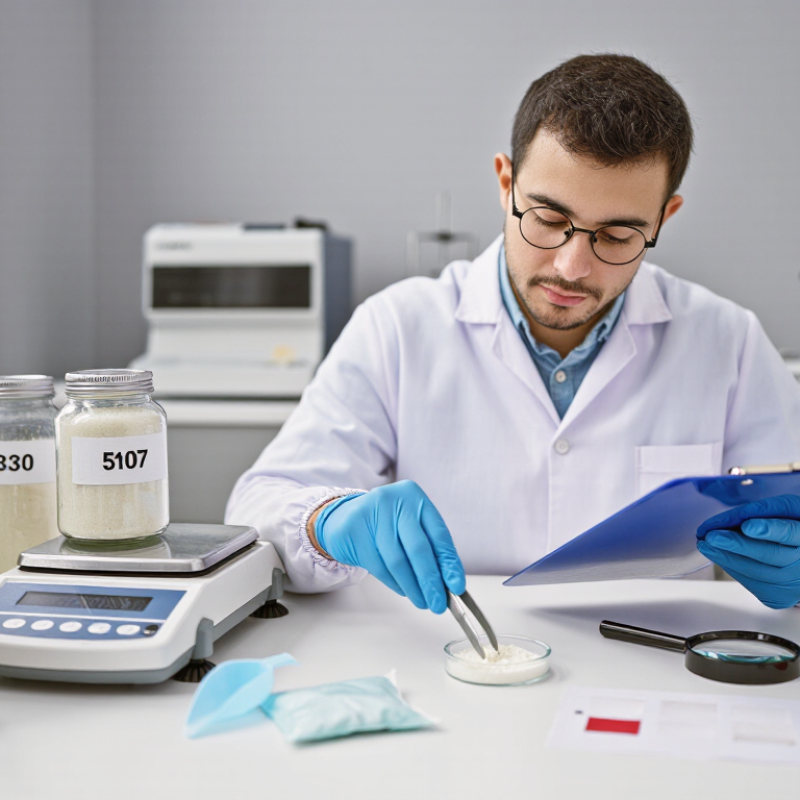
Before placing a bulk order, agree on the material specification, packaging format, and required test documents. Ask how each lot is identified and whether the supplier can provide a certificate of analysis. At delivery, check the outer containers for tears, moisture, broken seals, or unexpected residue. Record the lot number, arrival date, container count, and any visible damage. Keep the shipment on hold. A neat-looking bag does not prove the powder inside meets your specification.

Arrange representative sampling with trained staff, using clean tools and a procedure that limits mix-ups and exposure to dust. Have a qualified laboratory verify identity and assess relevant quality attributes against your agreed specification. Depending on intended use and risk assessment, this may include purity, moisture, or contaminant testing. Compare results with the documents for that exact lot, not a previous shipment. Testing takes time, and rushing release decisions can create avoidable problems.

Store accepted containers tightly closed in a cool, dry area, protected from direct light and strong temperature swings. Follow the supplier’s handling guidance and safety documentation, and use suitable protective equipment when opening or transferring powder. Keep containers off damp floors and label any smaller working vessels with the material name and lot number. Track opening dates and inspect packaging during routine checks. Storage plans are easy to write; consistent daily practice is harder.