What is the Best Pet Food for Your Dog or Cat?
Choosing the right pet food for your dog or cat is crucial. The market is filled with options. From grain-free to organic choices, it can be confusing. Pet food should provide balanced nutrition. Each pet has unique dietary needs. A dog's energy levels differ from a cat's.
Many owners overlook ingredient quality. They often prioritize price over nutrition. This can lead to health problems. It’s important to read labels carefully. Some brands use fillers that offer little benefit. Consider your pet's age and activity level. Puppies and kittens need different nutrients than adults.
Finding the best pet food requires research. It’s okay to make mistakes along the way. You may try several brands before finding the right one. Each pet reacts differently to various foods. Observing their health and behavior is vital. A good diet can enhance their quality of life. Ultimately, your pet's happiness and well-being depend on what’s in their bowl.

Understanding Nutritional Needs for Dogs and Cats by Life Stage
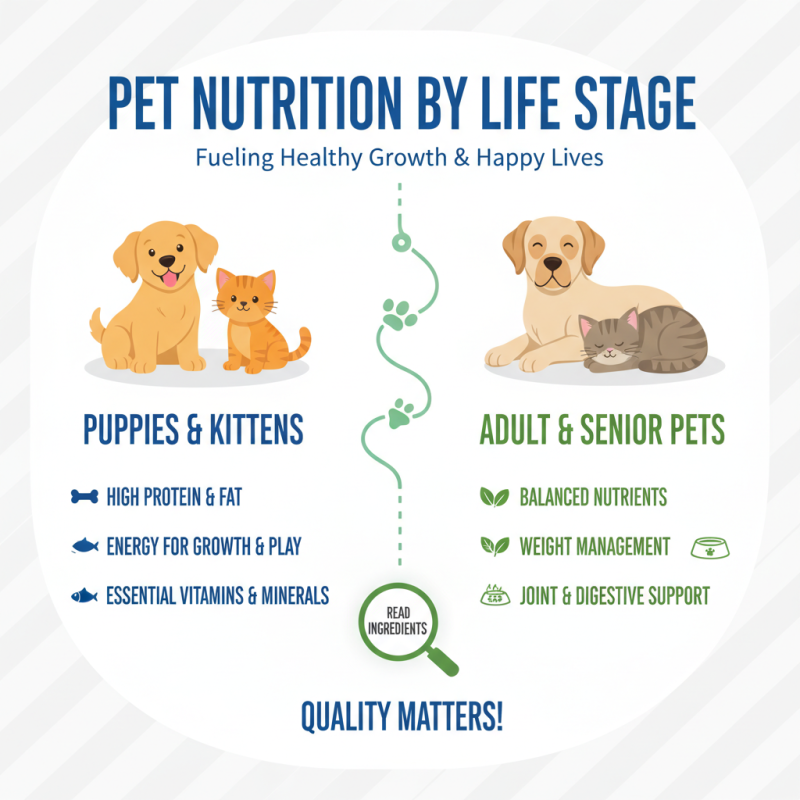
Choosing the right pet food involves understanding your dog or cat's nutritional needs at different life stages. Puppies and kittens require higher protein and fat for growth. Their young bodies need energy to play and explore. A diet rich in essential vitamins and minerals is crucial for their development. Pay attention to ingredients, as they significantly impact health.
As pets age, their dietary needs change. Adult dogs and cats benefit from a balanced diet that maintains their weight. Look for fiber-rich foods to support digestion. Senior pets often require fewer calories, but higher levels of certain nutrients. Joint health becomes important, so consider foods that support mobility.
It can be challenging to navigate pet food choices. Sometimes, owners overlook unique needs. Allergies and sensitivities may arise at any stage. Regular vet check-ups can help identify these issues. Not all pets are the same. Observing your pet's response to food is essential. Adjustments may be needed based on their reactions and energy levels.
Evaluating Pet Food Ingredients: What to Look For and What to Avoid
Choosing the right pet food involves understanding ingredients. Look for identifiable meats as the first ingredient. Protein sources should be specific, like chicken or beef. Avoid vague terms such as "meat meal." These can hide low-quality protein sources.
A healthy pet food will contain fruits and vegetables. These provide essential vitamins and minerals. Ingredients like sweet potatoes or blueberries are beneficial. Watch out for artificial colors, flavors, and preservatives. They may indicate poor quality.
**Tips:** Always read the ingredient list thoroughly. If you see more fillers than nutritious ingredients, reconsider that option. Consult your vet for personalized advice. Remember, not all pet foods are created equal. Your pet's health is worth the effort.
Analyzing Commercial vs. Homemade Pet Food: Pros and Cons
When choosing pet food, it's essential to weigh the pros and cons of commercial versus homemade options. Commercial pet food is convenient. It saves time and often provides balanced nutrition. Many formulas are designed to meet the specific needs of dogs and cats. However, quality can vary. Some brands may use fillers or artificial ingredients. This can affect your pet's health over time.
On the other hand, homemade pet food allows for full control over ingredients. You can choose fresh, whole foods that suit your pet's tastes and dietary needs. This option can foster better health and energy levels. Yet, it comes with risks. Preparing balanced meals takes knowledge and effort. Many pet owners struggle to meet all nutritional requirements. This can lead to deficiencies if not done correctly. Regular vet consultations become necessary for homemade diets, adding another layer of complexity.
Comparing Popular Pet Food Brands: Nutritional Value and Customer Ratings
When it comes to choosing the best pet food, nutritional value is key. Many popular brands provide essential nutrients, but not all are created equal. A recent industry report indicated that over 60% of pet owners do not fully understand pet nutrition. This lack of knowledge can lead to poor dietary choices for their dogs or cats.
Customer ratings play a significant role in choosing pet food. According to a survey, nearly 70% of pet owners rely on online reviews. They often seek foods high in protein and fiber, while low in fillers and artificial additives. However, many brands labeled as "premium" can still contain these undesirable ingredients. It's crucial to analyze the ingredients list and research customer feedback.
Tips:
Focus on the first three ingredients in the pet food label. These should ideally be meat or meat-based. Connecting with a veterinarian can also provide tailored advice for your pet's specific needs. Lastly, watch for any dietary changes in your pet to adjust their food accordingly.
The Role of AAFCO Standards in Pet Food Quality Control and Labeling
The Association of American Feed Control Officials (AAFCO) plays a crucial role in regulating pet food standards. Pet food labeling relies on AAFCO guidelines to ensure that products meet specific nutritional requirements. The organization defines the nutritional adequacy of pet foods, which varies by life stage and lifestyle of pets. Dogs, for instance, have distinct needs compared to cats.
In a recent survey, only 65% of pet owners understood AAFCO standards. Many believe that "natural" claims ensure better quality. However, AAFCO regulations do not guarantee specific ingredient sourcing or processing methods. These misconceptions can lead to poor choices when selecting pet food. Consumers need to be vigilant and informed about what these labels mean.
Moreover, AAFCO does not test pet food for safety. They only provide guidelines for manufacturers. This gap has raised concerns, as nearly one in ten pet owners reported health issues related to pet food. Being aware of these inconsistencies can enhance decision-making for pet nutrition. Understanding AAFCO's limitations is essential for ensuring that pets receive balanced diets.
What is the Best Pet Food for Your Dog or Cat? - The Role of AAFCO Standards in Pet Food Quality Control and Labeling
| Pet Food Type |
Primary Ingredient |
AAFCO Certification |
Nutritional Benefits |
Recommended Age |
| Dry Food |
Chicken |
Yes |
High protein, supports muscle development |
Adult |
| Wet Food |
Beef |
Yes |
Moisture-rich, easy to digest |
Puppies |
| Grain-Free |
Lamb |
Yes |
Suitable for sensitive stomachs |
All Ages |
| Raw Diet |
Turkey |
N/A |
High in natural enzymes, promotes dental health |
Adult |
| Limited Ingredient |
Venison |
Yes |
Helps manage allergies |
All Ages |