Top Ayurvedic Herbs Suppliers for Global Buyers

Global buyers sourcing Ayurvedic Herbs need more than attractive catalogues and competitive prices. They need dependable identity, consistent quality, and clear records for each batch. Dr. Vasant Lad, an Ayurvedic physician and educator, describes Ayurveda as “the science of life.” That perspective makes careful sourcing especially relevant: herbs are valued within traditions that connect ingredients, preparation, and use.

A reliable supplier should be able to explain where plants are grown, how they are identified, and how they are handled after harvest. Buyers can ask for botanical names, origin details, certificates of analysis, and information about testing for contaminants. They should also check whether documentation matches the product and batch being offered. Details matter. A polished catalogue may still leave basic questions unanswered.

This guide explores suppliers serving international buyers and the practical checks that help compare them. It considers product range, traceability, quality systems, communication, and export experience, while recognizing that supplier capabilities can vary. No supplier is perfect. Buyers should verify claims directly and seek qualified advice when a product’s intended use requires it. Strong sourcing does not remove every uncertainty, but it can make decisions more informed, transparent, and consistent.
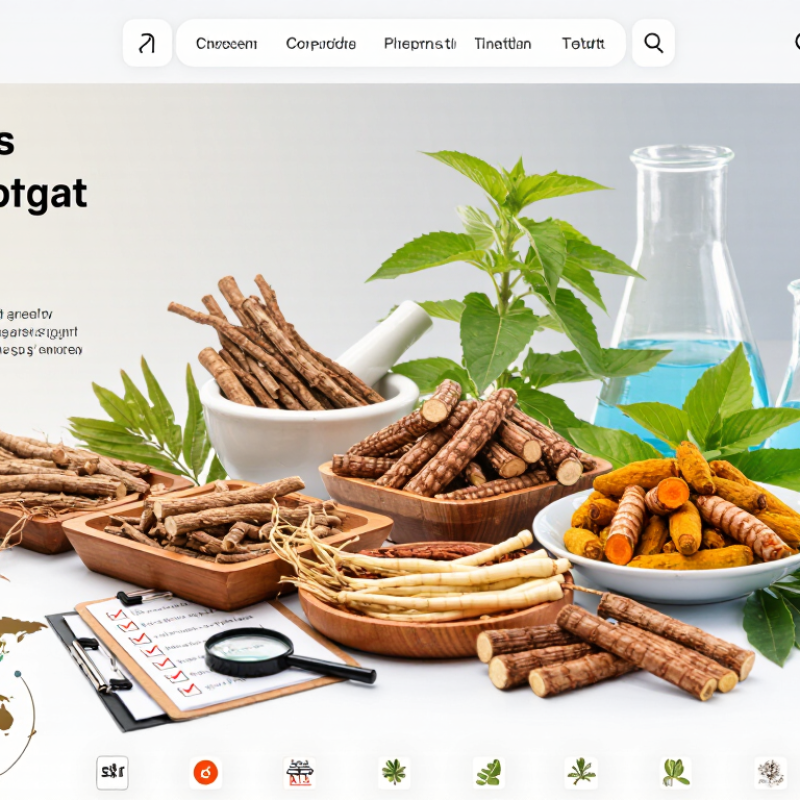
Top Ayurvedic Herbs Suppliers for Global Buyers

Place Ayurvedic Herb Suppliers in WHO’s 170-Country Use Landscape

WHO has reported that 170 Member States acknowledged using traditional and complementary medicine. That figure offers context for Ayurvedic herb suppliers serving international buyers. It does not mean every country uses Ayurveda, or that every herb has equal evidence, oversight, or demand.

The distinction matters. Buyers should treat the 170-country landscape as a sign of broad interest, not a shortcut to market approval.

A dependable supplier can document each herb’s botanical identity, growing region, harvest season, and batch history. Ask for clear testing records covering identity, microbial quality, pesticide residues, and heavy metals. Check that certificates match the specific lot, not merely a sample from last year.

Small details count: a sealed sample, readable label, and consistent leaf color can prompt useful questions, but they cannot replace laboratory testing. Requirements also vary by destination, so buyers should verify local import and product rules before placing an order.

A spreadsheet can still miss a weak link. Recheck paperwork, discuss sourcing changes, and be cautious when claims sound more certain than the evidence.

Map Supplier Types, Growing Regions, Species, and Plant-Part Offerings

Global buyers usually source Ayurvedic herbs through farms, cooperatives, processors, or specialist exporters. Each offers a different level of traceability. Farms may document harvest plots; processors can sort, dry, and test lots. Ask for the botanical name, plant part, origin, harvest date, and batch-level test records. Small details matter. A sack of roots should not be treated like a sack of leaves.

Growing regions shape supply and quality. India remains central to Ayurvedic cultivation, while Nepal and Sri Lanka also supply selected botanicals. Species such as ashwagandha, turmeric, neem, and holy basil have distinct needs. Ashwagandha is commonly traded as dried root; turmeric as rhizome; neem as leaf, seed, or oil-bearing material. Verify the species and plant part on every specification sheet. Common names can mislead.

The World Health Organization’s 2019 Global Report on Traditional and Complementary Medicine says 170 of 194 member states reported using traditional medicine. That broad use makes reliable sourcing important, but it does not prove any particular herb’s quality. WHO’s Good Agricultural and Collection Practices guidance stresses correct identification, clean handling, and documented processing. Buyers can request moisture, microbial, pesticide, and heavy-metal results suited to the product. Paperwork can still miss field-level problems. Inspecting a supplier’s records—and, where practical, the site—adds useful context.

Top Ayurvedic Herbs Suppliers for Global Buyers — Supplier Types, Growing Regions, Species, and Plant-Part Offerings

Supplier Type Typical Growing or Sourcing Regions Botanical Species Common Plant-Part Offerings Buyer Considerations
Medicinal-root cultivators and primary aggregators Arid and semi-arid cultivation belts of India, including Rajasthan and Madhya Pradesh Withania somnifera (ashwagandha) Dried roots; root powder; cut or sifted root Confirm root identity, moisture, foreign matter, pesticide controls, and whether the material is cultivated or wild-collected.
Rhizome processors and spice-herb cooperatives Indian growing regions such as Telangana, Andhra Pradesh, Maharashtra, Tamil Nadu, and Odisha Curcuma longa (turmeric) Fresh or dried rhizomes; turmeric powder; sliced rhizome Specify whether the product is cured, dried, or milled; request testing for identity, colorants, contaminants, and moisture.
Fruit-drying and botanical-powder processors Central and northern India, including Madhya Pradesh and Uttar Pradesh Phyllanthus emblica (amla; also known as Indian gooseberry) Whole or sliced fruit; dried fruit; fruit powder Check fruit maturity, drying method, particle size, and whether seeds or other fruit material are included.
Wetland-herb growers and aquatic-plant aggregators Wetland and cultivated areas in India, including parts of Odisha and West Bengal Bacopa monnieri (brahmi) Whole aerial parts; leaves and stems; dried herb Verify botanical identity and harvest conditions; test for microbial contamination and residues associated with wetland environments.
Tree-herb collectors and stem-drying processors Tropical and subtropical regions of India Tinospora cordifolia (guduchi) Stems; stem chips; stem powder Request confirmation of species and plant part, along with traceability and sustainable-harvesting information.
Leaf and seed processors Tropical and subtropical India, where neem is widely grown Azadirachta indica (neem) Leaves; seeds or kernels; neem seed oil Clarify whether the material is intended for food, cosmetic, agricultural, or other use; applicable specifications differ by market.
Rhizome-drying and essential-oil processors Indian growing regions including Kerala, Karnataka, and Meghalaya Zingiber officinale (ginger) Fresh or dried rhizomes; dried slices; powder; essential oil Specify the required form and processing method; assess identity, moisture, microbial quality, and any export-specific limits.
Root cultivators and medicinal-herb aggregators Cultivated and gathered sources in central and southern India Asparagus racemosus (shatavari) Dried roots; root slices; root powder Confirm the botanical species and root grade, and request documentation on cultivation or collection practices.

The regions and plant parts shown are representative sourcing examples, not a guarantee of availability from every supplier. Buyers should verify botanical identity, origin, traceability, quality specifications, and import requirements for each shipment.

Use WHO’s 124-Country Herbal-Regulation Data to Frame Buyer Due Diligence

WHO’s 124-country herbal-regulation data offers global buyers a useful starting point, not a universal approval checklist. Countries differ in how they classify herbal products, assess quality, and oversee manufacturing. A supplier’s paperwork may satisfy one market but leave questions unanswered in another. Details matter.

Ask suppliers to identify each herb by accepted botanical name, plant part, origin, and processing method. Request recent test results for identity, microbial quality, heavy metals, and pesticide residues. Check whether the laboratory and sampling date are clearly stated. Then compare the documents with the requirements of your destination market, using local regulators or qualified advisers where needed. WHO data can help frame questions, but it does not certify a supplier or replace current national rules.

Look beyond a polished certificate. Trace one lot from harvest records to the packaged sample, and ask how rejected material is handled. Visit the production site when practical, or arrange an independent audit. Keep records of changes in origin, drying, or storage. Those small shifts can affect consistency. One limitation deserves attention: country-level data may not capture every product category or recent rule change. Good due diligence therefore stays specific, documented, and open to revision.

Compare GMP, Pharmacopoeial Identity, and Contaminant-Test Records

For global buyers, a supplier’s catalogue is only a starting point. Ask for current GMP documentation and check which facility and processes it covers. A certificate alone cannot show how a particular herb was handled. Request batch-specific records, including harvest or source details, processing dates, and traceability codes.

Identity needs more than a familiar plant name. Compare the botanical name, plant part, and declared form with the relevant pharmacopoeial monograph, where one applies. Ask how identity is confirmed, such as through microscopy or a chromatographic fingerprint, and whether reference materials are documented. Small details matter. A root and a leaf from the same species are not interchangeable. Contaminant records should identify the tested lot, method, result, and acceptance limit. Depending on the material and intended use, this may include metals, pesticide residues, microbial counts, or aflatoxins. Check whether testing is performed by a qualified laboratory and whether results are recent. Paperwork can look tidy while a sample tells another story. I would compare documents against a retained sample when practical, because supplier records can be incomplete or hard to interpret. No single certificate settles the question; consistent, verifiable evidence across lots is more useful.

Review Traceability, Export Documents, and Batch Terms Before Supplier Approval

Top Ayurvedic Herbs Suppliers for Global Buyers

Supplier approval should begin with the plant’s journey, not the price sheet. Ask for the botanical name, plant part, country of origin, harvest period, and processing location. These details should match across the specification, invoice, and batch records. The WHO Global Report on Traditional and Complementary Medicine 2019 found that 170 of 194 member states reported use of traditional and complementary medicine. That broad use makes consistent sourcing records especially important. Traceability should reach the farm or collector group, where feasible. Check a sample batch file.

Export documents need to fit the product and destination. Review the commercial invoice, packing list, certificate of origin, and any required health or phytosanitary documents with your customs adviser. Request a current certificate of analysis linked to the exact lot, not a generic sample. Confirm test methods, dates, and laboratory details. A missing link between the test report and shipment is a real warning sign.

Batch terms deserve equal scrutiny. Ask how lot numbers are assigned, whether lots can be mixed, and how retained samples and complaints are handled. FAO’s State of the World’s Forests 2022 reports that about 1.6 billion people depend on forests for livelihoods; this figure covers forests broadly, not herb supply alone. For wild-collected material, ask how harvest areas and collection practices are documented. Small details matter. Agree in writing on tolerances, packaging, shelf life, and notice periods for delays. Keep records. Suppliers may have gaps; discuss them plainly before approval.

Ayurvedic Herb Supplier Pre-Approval Checklist

Suggested checks to review before approving a supplier for global orders.

How to read this chart: Counts represent the checklist items listed below, not supplier scores or market statistics. Import requirements vary by product and destination.

  • Traceability (6): botanical identity, plant part, origin, harvest or processing details, lot identification, and supporting traceability records.
  • Export documentation (5): commercial invoice, packing list, certificate of origin, applicable phytosanitary or health documents, and destination-specific import paperwork.
  • Batch terms (5): batch size, specification and acceptance criteria, sampling and testing, shelf life and storage, and nonconformance or replacement terms.