What Are the 7 Best Benefits of Beet Powder?

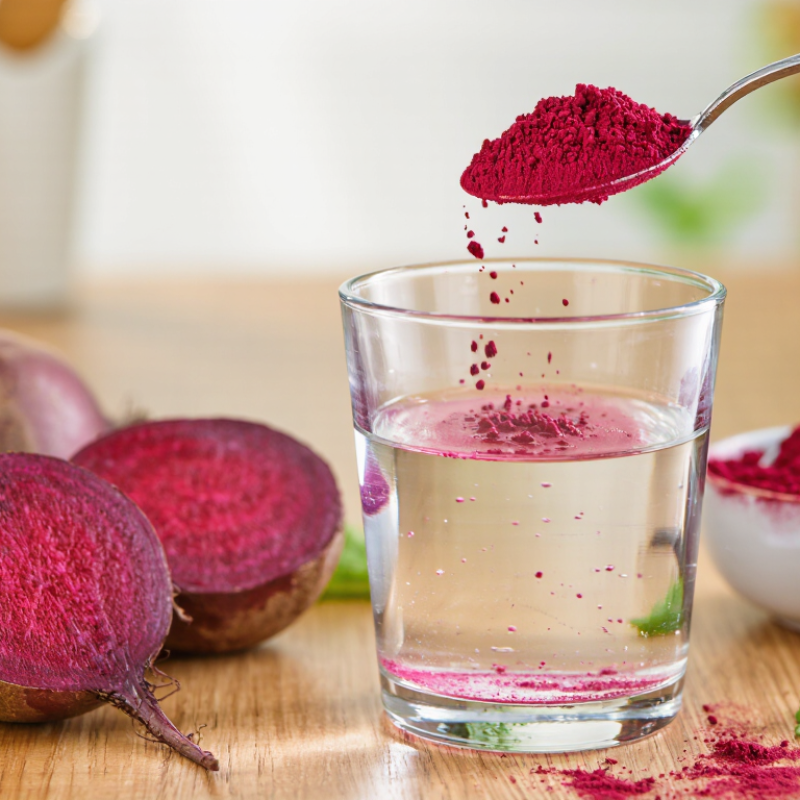
Beet powder looks simple: a spoonful of deep-red powder stirred into water or a smoothie. Yet the potential Powdered Beets Benefits depend on what the product contains, how much you use, and your own health. Beet products provide dietary nitrates, which the body can convert into nitric oxide. This compound helps blood vessels relax. The effect is promising, but it is not a cure or a guaranteed boost.

Exercise physiologist Professor Andy Jones has researched dietary nitrate and exercise performance. A cautious paraphrase of the takeaway from his work is: “Beetroot nitrate may help some people exercise more efficiently, but results are not guaranteed.” That distinction matters. Powder can vary in nitrate content, and processing may change its composition. The scoop is not always the same.

This guide explores seven potential benefits, including support for blood flow, exercise performance, and antioxidant intake. It also considers practical details, such as mixing powder into a morning drink and checking the label for serving size and added ingredients. Some products may contain little fiber; others may not provide the nitrate amounts used in studies. Small differences matter. Beet powder can fit into a balanced diet, but it should not replace prescribed care. If you take blood-pressure medication or have a health condition, ask a qualified healthcare professional before using it regularly. The evidence has rough edges, and that deserves an honest look.
What Are the 7 Best Benefits of Beet Powder?

What Beet Powder Is and How It Is Made

What Beet Powder Is and How It Is Made

Beet powder is made from beetroot that has been dried and ground into a fine, reddish powder. Producers typically wash and trim the roots, then slice them before drying. The dried pieces are milled and sifted to create a more even texture. Processing methods vary, and heat exposure can affect the powder’s color, flavor, and nutrient content. The result tastes earthy and slightly sweet. A pinch can tint water or yogurt a deep pink.

Some powders contain only beetroot, while others may include additional ingredients, so check the ingredient list. Powder is convenient, but it is not identical to fresh beets: drying changes the food’s structure, and serving sizes are usually small. Beetroot naturally contains nitrates, though the amount in a scoop can vary with the crop and processing. It is easy to assume every powder provides the same amount. That assumption deserves a second look.

Tip: Start with the serving size on the package and stir the powder into a smoothie, soup, or glass of water. Use a spoon to break up clumps. If the earthy taste feels strong, mix it with citrus or berries. Keep the container sealed and dry; damp powder can harden.

Key Nutrients and Plant Compounds in Beet Powder

Beet powder concentrates the color and flavor of dried beetroot, but its nutrient profile depends on the crop and processing. USDA FoodData Central reports that 100 grams of raw beetroot provides 109 micrograms of folate, 325 milligrams of potassium, and 2.8 grams of fiber. These figures describe fresh beets, not a serving of powder. Drying changes the weight and concentration, so check the product’s nutrition panel before comparing amounts.

The vivid red pigments are betalains, a group of plant compounds that includes betanin. Beets also contain phenolic compounds and naturally occurring nitrate. A 2015 review in Nutrients describes these constituents and notes that beetroot products vary in composition. That matters. Powder color alone cannot tell you how much nitrate or betalain it contains. Look for clear ingredient and nutrient information, and treat broad claims cautiously.

Folate supports normal cell division, while potassium helps maintain normal muscle and nerve function. Beet powder can add these compounds to smoothies or oatmeal, though it should not replace varied whole foods. One practical detail: the earthy taste can overpower a drink. Start with a small amount, and remember that research on whole beetroot does not automatically prove the same effects for every powder.

How Beet Powder May Support Blood Pressure and Circulation

What Are the 7 Best Benefits of Beet Powder?

Beet powder may support blood pressure and circulation because beets contain dietary nitrates. The body can convert these nitrates into nitric oxide, a molecule that helps blood vessels relax. Think of it as easing the vessel walls, not clearing a blockage. Some studies suggest beet products can modestly lower blood pressure, but results vary. Powder strength, serving size, and individual health all matter.

Tips: Mix a measured serving into water or a smoothie, and follow the package directions. Check your blood pressure regularly rather than relying on how you feel. Beet powder can turn urine or stool reddish; this is often harmless, but it can surprise you.

It is not a substitute for prescribed treatment or a balanced diet. If you take blood-pressure medicine, or have kidney problems, ask a healthcare professional before using it regularly. Evidence on beet products is still developing, and powders are not all alike. I would not assume a bright red drink guarantees a measurable change. Keep the label handy and discuss it at your next appointment.

Potential Benefits for Exercise, Antioxidant Support, and Digestion

Beet powder may support exercise through dietary nitrate, which the body can convert into nitric oxide. This molecule helps blood vessels relax and may improve blood flow. In a small 2011 cycling trial, Lansley and colleagues reported roughly 2.8% faster 4-kilometre time-trial performance after nitrate-rich beetroot juice. That result is interesting, not a promise: juice was tested, and powder’s nitrate content can vary widely. A scoop is not automatically equivalent to the study dose.

Beets also contain betalains, plant pigments with antioxidant activity. A review in Nutrients by Clifford and colleagues (2015) discusses beetroot’s potential effects, but antioxidant activity in a lab does not prove a noticeable health benefit in daily life. That distinction matters. Powder can be an easy addition to a smoothie, yet it should not be treated as a stand-alone remedy.

Digestion depends partly on the product’s fiber content. USDA FoodData Central lists about 2.8 grams of fiber per 100 grams of raw beetroot; that figure does not describe every powder, since processing and serving sizes differ. Check the nutrition label, and stir the powder into yogurt or oats for a less dusty texture. Some people may notice a change in stool colour. It can look alarming, but beet pigments are often the reason.

What Are the 7 Best Benefits of Beet Powder? - Potential Benefits for Exercise, Antioxidant Support, and Digestion

Potential Benefit What Beet Powder Contains How It May Help Evidence and Practical Notes
1. Exercise performance support Dietary nitrate, in amounts that vary by beet variety and processing The body can convert nitrate into nitric oxide, which helps regulate blood flow. This may support exercise efficiency, particularly during endurance activity. Research on nitrate-rich beet products suggests possible performance benefits, but results vary. Powder nitrate content is not standardized, so effects cannot be assumed for every product or workout.
2. Support for healthy blood flow Nitrate, a naturally occurring compound in beets Nitric oxide helps blood vessels relax and supports normal circulation. Some studies of beetroot products report modest effects on blood pressure. Beet powder is not a treatment for high blood pressure and should not replace prescribed care.
3. Antioxidant support Betalain pigments and other plant compounds These compounds contribute to beets’ color and can help protect cells from oxidative damage in laboratory settings. Antioxidant activity in a lab does not prove a specific health outcome in people. Processing and storage may affect the amount of plant compounds in a powder.
4. A convenient way to add beet-derived nutrients Beet-derived compounds and, depending on the product, small amounts of minerals and other nutrients Powder can be stirred into drinks or foods, making beets easier to include when fresh beets are inconvenient. Nutrient levels differ among products. Beet powder is not nutritionally identical to whole beets, and serving sizes should be checked on the product label.
5. Possible contribution to digestive health Some powders retain dietary fiber; others contain little fiber, especially if highly processed Fiber can support regular bowel movements and nourish beneficial gut microbes as part of an overall fiber-rich diet. Check the nutrition label for fiber. A serving of powder may provide much less fiber than a serving of whole beets, so it may not meaningfully improve digestion on its own.
6. Folate intake support Beets naturally contain folate, although processing can change the amount retained Folate is needed for DNA production and normal cell division. The folate contribution from beet powder depends on its composition and serving size. It should not be relied on as a sole source of folate.
7. A versatile addition to meals and drinks Concentrated beet flavor and natural red-purple pigments Powder can add beet color and flavor to smoothies, yogurt, soups, or baked goods, helping vary the plant foods in a diet. This is a practical food-use benefit rather than a proven medical effect. Start with a small amount if the taste or color is unfamiliar.

Important: Beet powder composition varies, and potential benefits are not guaranteed. Beets can turn urine or stool pink or red. People taking blood-pressure medicines or nitrate-containing medicines, or those with a history of kidney stones, should consult a healthcare professional before using concentrated beet products regularly.

Ways to Use Beet Powder and Important Safety Considerations

Beet powder can be stirred into water, blended into a smoothie, or mixed into yogurt. Start with the serving listed on the label; nitrate levels vary widely between products. That matters. The Australian Institute of Sport’s Sports Supplement Framework describes a research protocol of 6–8 millimoles of nitrate, taken about two to three hours before exercise. A scoop of powder cannot be assumed to provide that amount unless its nitrate content is stated and tested. For everyday use, add it to a small drink first; the earthy taste can be strong.

Check the label for serving size, nitrate content, and other added ingredients. The European Food Safety Authority sets an acceptable daily intake for nitrate of 3.7 milligrams per kilogram of body weight, from all dietary sources. This is a long-term guideline, not a personal target or a reason to avoid vegetables. If you take blood-pressure medicine, or have a history of calcium-oxalate kidney stones, ask a health professional before using concentrated beet powder regularly. Beetroot can also turn urine or stool reddish. Usually harmless, but surprising. Product labels may not make the nitrate dose easy to compare, so choosing a powder can involve some guesswork.

Beet Powder: A Nitrate Safety Reference

Beet powder may provide dietary nitrate, which the body can convert to nitric oxide. Nitrate content varies widely between products, so this chart shows a general safety reference—not a beet powder serving recommendation.

The European Food Safety Authority’s acceptable daily intake (ADI) for nitrate is 3.7 mg per kilogram of body weight per day from all dietary sources. The ADI is a long-term safety guideline, not a target. Check with a healthcare professional before using beet powder if you take blood-pressure medication or have a history of kidney stones.